

What is DEI?
DEI aims to create an environment that values and respects the unique characteristics, backgrounds and perspectives of all individuals within an organization. DEI is also referred to as I&D, D&I and other combinations that also include “B” for belonging.
It aims to create a culture and sense of belonging for all.
Diversity
Diversity refers to the range of human differences present in the workplace.
Extending far beyond race and gender, it encompasses a range of dimensions, including:
- Ethnicity
- Age and life stage
- Sexual orientation
- Religion
- Disability
- Socioeconomic status
- Veterans
- Caregivers
Each of these dimensions brings unique perspectives, experiences and contributions. And when employees are given a voice and opportunities to freely express themselves, they foster richer and more vibrant thinking that can increase productivity, innovation and resilience.
Equity
Equity involves listening and understanding to give people what they need to enjoy full, healthy lives. Equity focuses on ensuring fair treatment and access to opportunities and resources for all employees. It recognizes that individuals are unique and require different types of support and accommodation.
Inclusion
Inclusion aims to create a sense of belonging. An inclusive culture makes employees feel valued, respected and empowered to contribute their unique perspectives. It involves fostering a collaborative and supportive environment where diversity is appreciated. It helps individuals thrive and succeed, creating a more productive, innovative and sustainable workplace.
Why does DEI matter to employers?
There are several reasons DEI should matter to your organization:
- Inequities exist in work, pay, career, health and wellbeing, financial outcomes and safety
- Employees, consumers and investors may be focused on your DEI progress. They expect equity, social connection and a sense of belonging for all employees
- An action-oriented commitment to DEI can be a competitive differentiator, creating greater diversity and representation in the workforce, supporting employee hiring, retention and engagement and ensuring the wellbeing of all employees
- A cohesive strategy of governance and engagement of leaders and managers is critical to bringing your DEI strategy to life. This includes people programs and policies assessed through a DEI lens to reflect the diverse needs of the workforce and all aspects of the employee experience
To sum up all of those points, the simple answer is DEI leads to better outcomes for your employees, customers, investors and other stakeholders.
DEI is the key to attracting, retaining and engaging top talent.
DEI in the workplace can also help:
- Foster innovation
- Improve decision-making
- Build stronger connections with customers and other stakeholders
- Increase productivity, sustainability and resilience
How we can help you unlock the business value of DEI and a culture of belonging for all
DEI and a culture of belonging is an ongoing process that requires commitment, evaluation and adaptation to create a more inclusive and equitable workplace. Addressing DEI involves a comprehensive strategy and a robust governance process, enabling execution through the right tools and programs for leaders, managers and employees. The ultimate goal is that all employees feel they belong and have the ability to thrive.
How we can help
Our approach
We help organizations turn DEI ambitions into action. By assessing your current state, defining goals and building practical roadmaps, we create tailored strategies, governance and measurement approaches that drive belonging and business impact.
We can help you evaluate employee alignment with DEI and other environmental, sustainability and governance (ESG) factors. For example, there are several potential ESG metrics related to human capital management, such as productivity per employee or pay gap as well as emerging ones such as high-performance employee experience or equitable access to reskilling and upskilling programs. We can help you find the right balance of metrics to meet specific objectives and align them with business and ESG strategies.
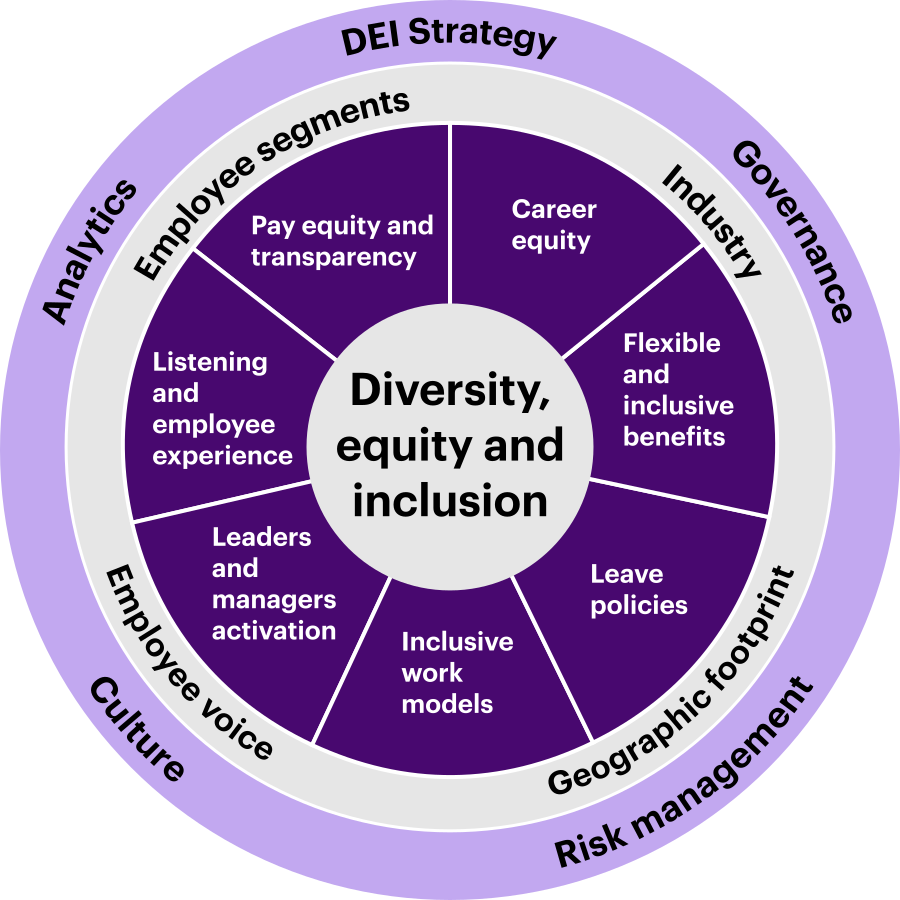
We have identified strategic areas of focus to amplify your people and business performance:
- DEI strategy, governance and analytics
- Equal and fair pay
- Equitable career opportunities
- Inclusive benefits
- Work and leave policies
- Inclusive employee experience
- Leader and manager activation
- DEI is part of environmental, social and governance
To successfully incorporate DEI into your ESG commitments, you need to invest in and have governance around all aspects of DEI – whether it’s people and leaders or other areas like supplier diversity, training, or internal and external community connections.
We can help you find the right balance of metrics to meet specific objectives and align them with business and ESG strategies.
When you get DEI and ESG right, you not only enhance your organizational culture, but also improve employee engagement. People want to work for companies they feel do the right thing by treating people with equity, dignity and respect.


Contact