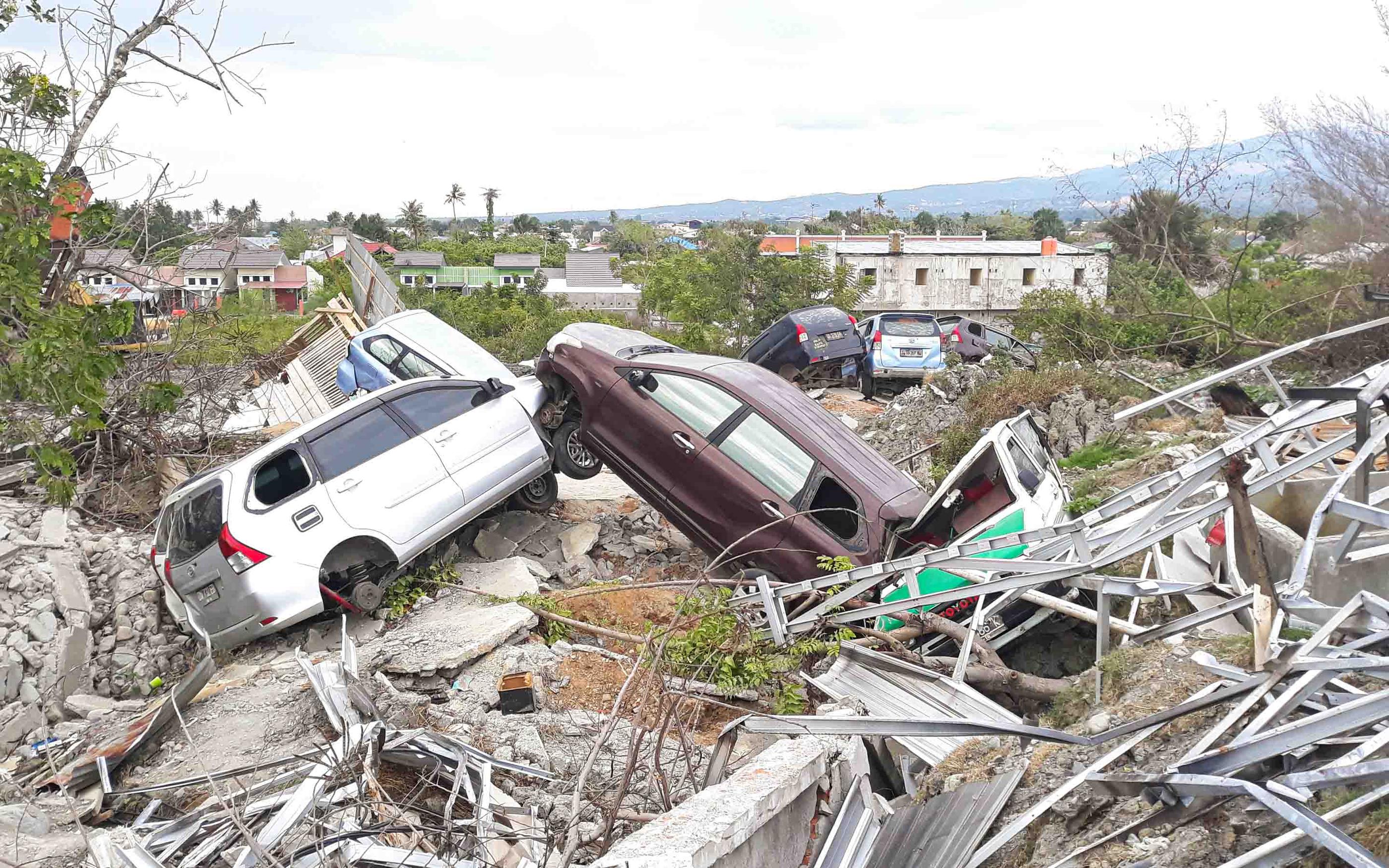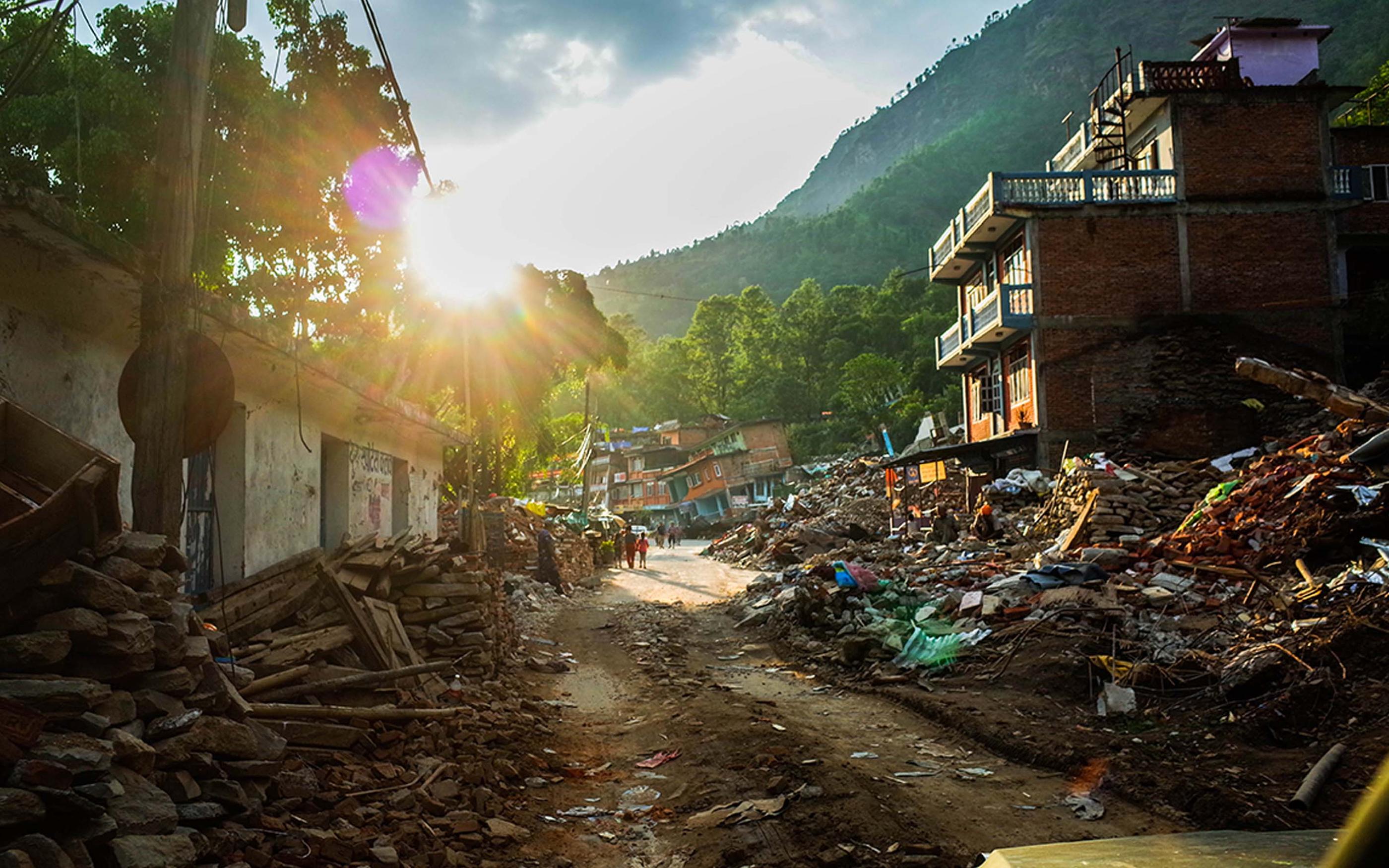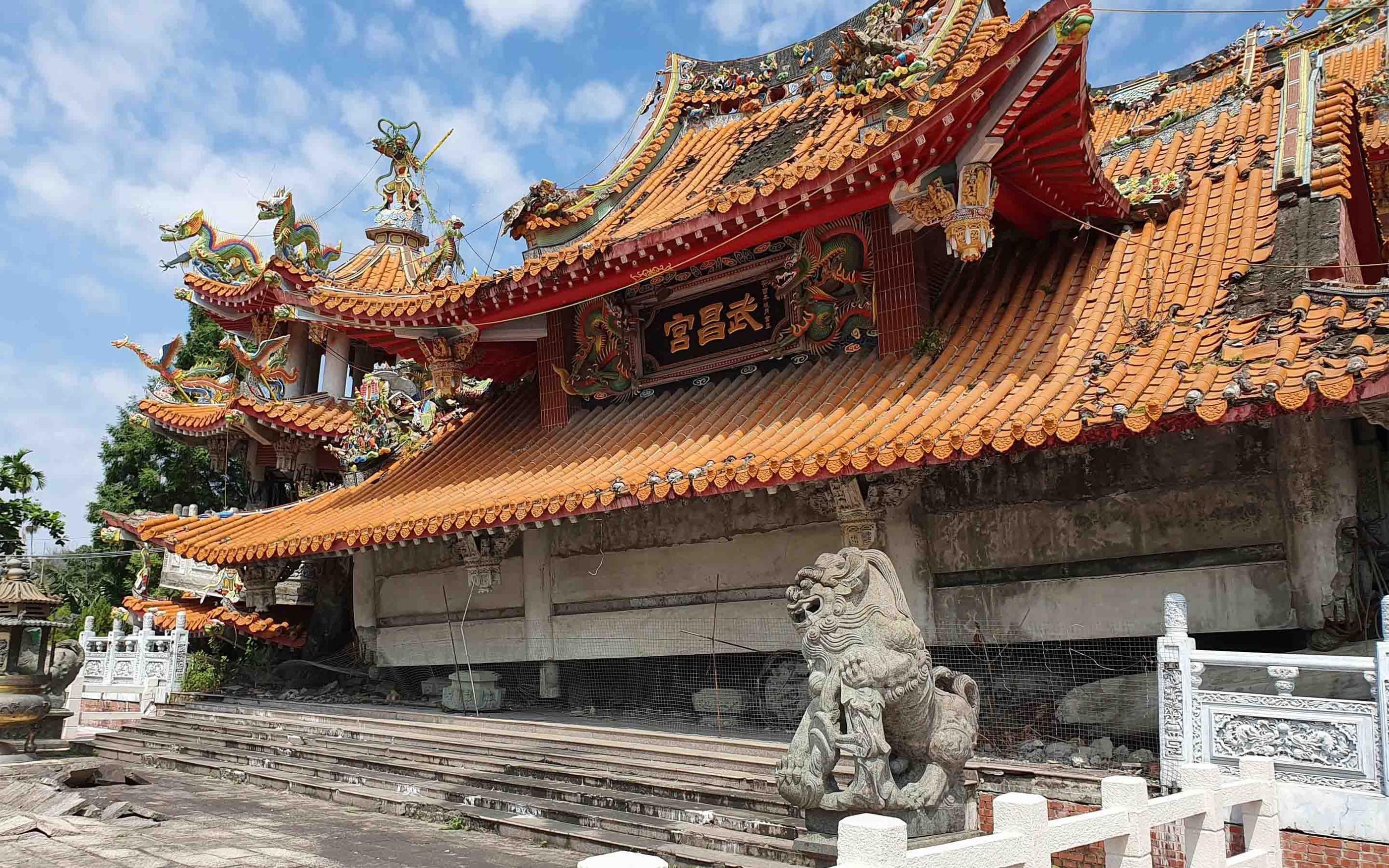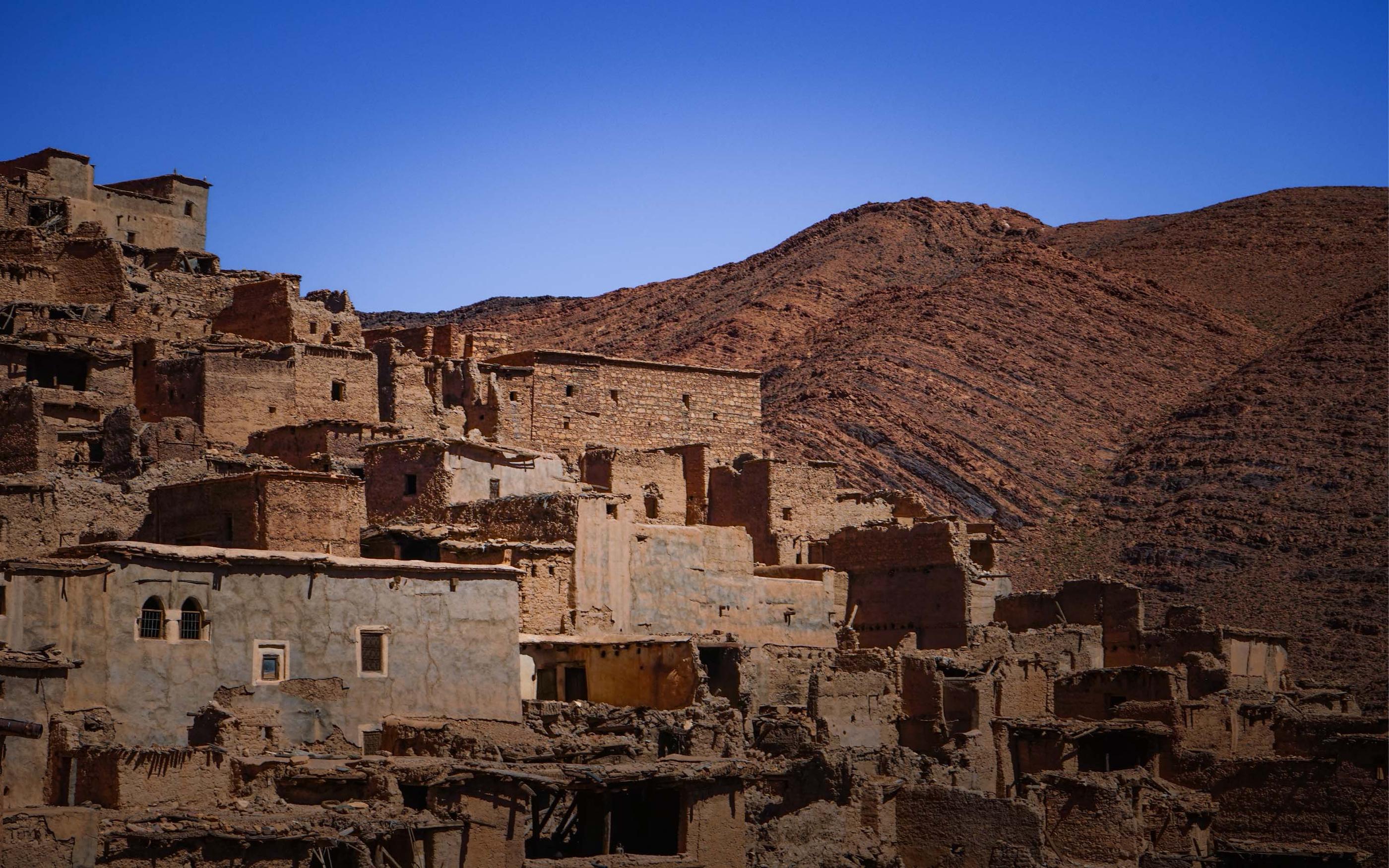
In the wake of the L’Aquila 2009 earthquake, as well as other devastating events in the years prior with multi-billion-dollar losses such as Sichuan 2008 and the 2004 Indian Ocean earthquake and tsunami, earth scientists were keenly aware of the regional nature of large-scale seismic risk. Information from geological surveys, monitoring networks, universities, public organisations and private enterprises was siloed, and for those wanting to assess multi-region or global-scale event history the collation of data was costly and time-consuming. Improving safety and resilience within at-risk regions was a challenge for any single country to deal with individually. In the aftermath of these catastrophes, the need for a global and open collation of scientific knowledge in earthquake hazard and risk assessment was evident. In 2006, a workshop on Earthquake Science in Potsdam identified the need for Global Seismic Risk Map, and in response, a group of scientists from around the world banded together to answer the call. Principal among them were the Willis Research Network (WRN) and Willis Re.
As outlined in our 2007 insight, the WRN had identified that moving beyond regional hazard research and bringing together expertise from around the world was necessary to gain a full understanding of risk. By 2009, our network included partnerships with the Universities of Cambridge, Potsdam, Bogazici and Imperial College London, with seismic risk being principal among the natural catastrophes studied.
One of the most significant outcomes of this broader shift was the establishment of the Global Earthquake Model Foundation (GEM) in 2009. Built around principles of openness, collaboration and globally consistent risk assessment, GEM brought together governments, academia, non-profits and the insurance industry to help address long-standing fragmentation in seismic hazard, exposure and vulnerability modelling. Founding academic institutions included several WRN partner universities, and private founding members came from across the insurance sector, with Willis being the first broker to endorse the vision. So significant was the WRN’s credibility in this space, that our contribution to the foundation included our entire earthquake-related research portfolio.
Building a global seismic framework
Over the following years, collaborative global seismic initiatives helped drive significant progress in how earthquake hazard and risk could be assessed across regions and territories. Shared frameworks, open datasets and globally consistent modelling approaches made it increasingly possible to compare and evaluate risk across borders in ways that had previously been difficult and resource-intensive.
Through its long-standing involvement with collaborative initiatives such as GEM, WTW has also been able to support broader resilience-focused programmes. Between 2022 and 2024, this included contributions to the Global Resilience Index Initiative (GRII) through the Insurance Development Forum (IDF), helping develop globally consistent information and indicators for resilience assessment across sectors and regions. As part of the initiative, GEM data and models contributed to the development of multi-hazard risk and resilience metrics designed to support risk management and decision-making.
How does earthquake modelling help add value to WTW and our clients?
Through our partnerships with seismic modelling organisations and continued work testing and evaluating vendor models through the WRN’s Model Research team, colleagues across WTW’s Risk and Broking sector have been able to utilise catastrophe modelling as part of their workflows when assessing hazard, exposure and vulnerability from earthquakes. Different models can offer different strengths, such as GEM’s global scope meaning that assessments are available anywhere in the world.
20 years of the Willis Research Network

Related content
Collaborative global seismic initiatives helped drive significant progress in how earthquake hazard and risk could be assessed across regions and territories
Different models can offer different strengths, such as GEM’s global scope meaning that assessments are available anywhere in the world.
This includes locations where other common market vendor models don’t have coverage, or haven’t been updated in some time. Collaborative institutions with contributions from government, academia, non-profits and the private sector, including other model vendors, mean tools and models are regularly updated to reflect the latest scientific developments, echoing the WRN’s core objectives.
Collaborative global seismic hazard and risk research has been used to assess loss scenarios for client projects all around the world, including Europe, Asia and the South Pacific. In addition to providing risk assessment for traditional built infrastructure using GEM’s building taxonomy, their hazard data has also been used to help define risk for more complex client assets such as energy infrastructure. This includes the recent Central Asia Regional Economic Cooperation (CAREC) programme led by the Asian Development Bank, where WTW supported the development of disaster relief bonds for Kyrgyz Republic and Tajikistan. The transaction marked one of the first examples of globally consistent open-source seismic modelling being incorporated directly into sovereign disaster risk financing and earthquake trigger design.
WTW has also been involved in the development and trialling of new GEM tools and services, such as their ‘SEESAWS’ global stochastic event set, or event response offerings for certain large earthquake events. The long-standing collaboration between GEM and WTW ensures that the future direction of GEM’s activities is shaped to reflect the needs of our clients and to reflect the needs of our clients and evolving market needs.
“OpenQuake and the SEESAWS dataset have been useful tools for Alternative Risk Transfer to inform our clients of their risk and helped us structure and technically price parametric insurance solutions. We have been able to extract the hazard data, which is often difficult to obtain, but that is specifically needed for parametric solutions. Given that this hazard data is global and consistent has been key to day-to-day utility. The enhanced analysis available to us has allowed us better serve our clients’ needs around the globe, producing more informed and functionally better solutions.”
David Williams, Senior Director, Alternative Risk Transfer Solutions
Looking to the future
The challenge for earthquake risk modelling continues to evolve and the WRN continues to contribute ideas and research initiatives to tackle critical knowledge gaps in the field of earthquake risk modelling. This includes looking beyond direct earthquake shaking and examining risks from so-called ‘secondary’ hazards such as liquefaction, landslides and tsunamis. Drawing on the WRN’s connections and in the spirit of collaborative projects, these challenges were discussed by academics and insurers alike during the first (Re)Insurance-Academia Global Earthquake (RIAGE) workshop in May 2026. Hosted by UCL and organised by the WRN in conjunction with universities, insurers and reinsurers, this workshop aims to showcase research being done across the seismic risk space for the wider benefit of the industry. WRN also aims to utilise earthquake modelling tools to help define worst-case seismic scenarios for certain regions, in order to help better structure and price insurance solutions such as parametrics. The original challenge identified in the late 2000s still remains relevant today: how to build a globally consistent understanding of a peril that manifests very differently across regions, infrastructure and societies.
Key takeaways
- Collaboration across academia and the insurance industry can be strong when channelled effectively, as demonstrated by the WRN and the RIAGE workshop.
- GEM is an example of collaboration incorporating governments, academia, non-profits, and the private sector, including competing insurers and model vendors, to create a global seismic risk framework for hazard, exposure and vulnerability modelling that benefits all.
- Global, open-source initiatives continue to be key for furthering risk assessment, as vendor models focus on regions where there is high insurance penetration, which can be limiting.
Contacts
“We have been able to extract the hazard data, which is often difficult to obtain, but that is specifically needed for parametric solutions.”David WilliamsSenior Director, Alternative Risk Transfer Solutions