

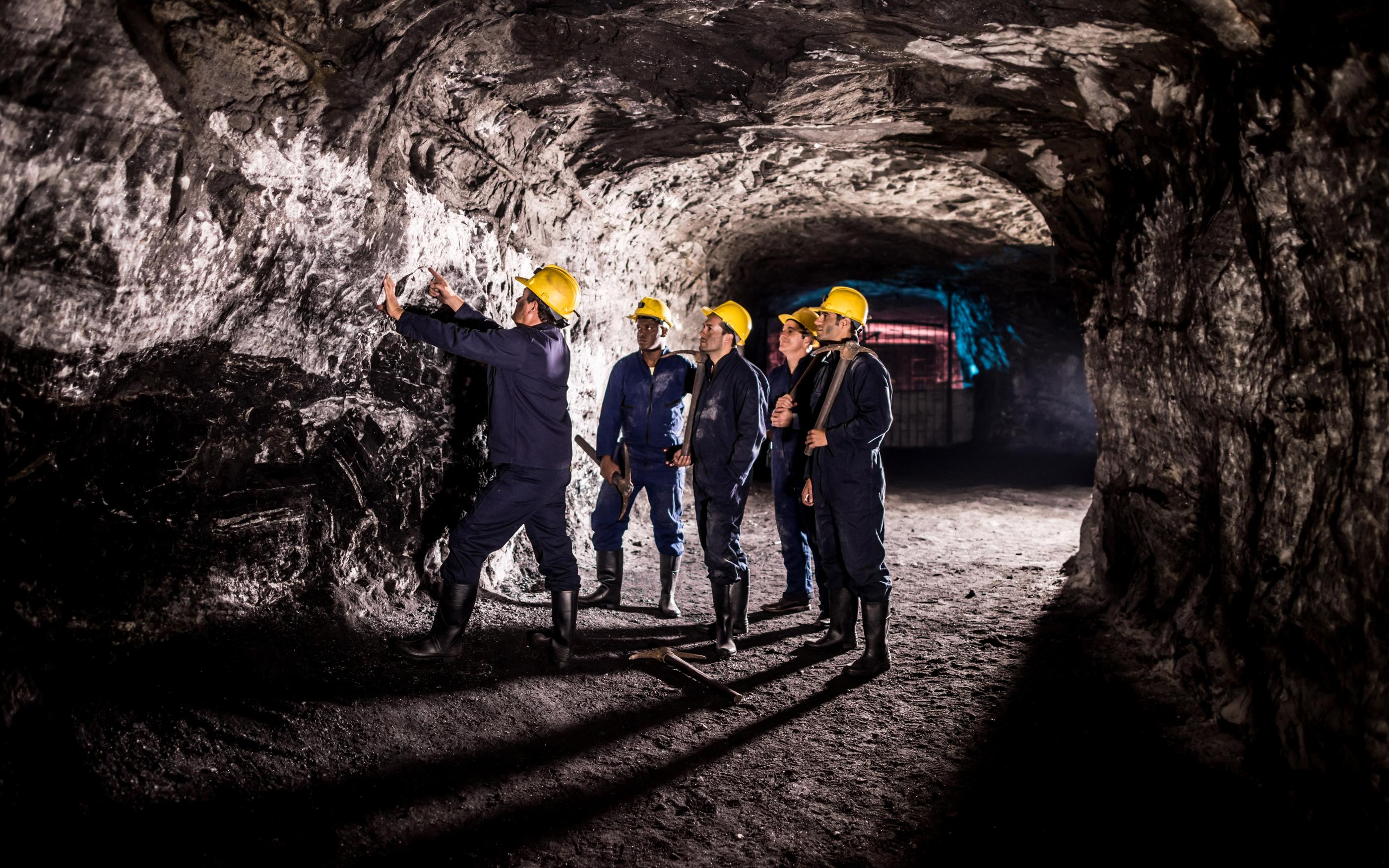
Not investing in ground control can increase short-term cashflow and profitability, but at the risk of a later failure which can create longtail financial exposures, or even mine closures.
The cost of poor ground support far outweighs the financial outlay of getting it right first time.
The scope of geotechnical engineering adds value across the lifecycle of a mine, from exploration and feasibility studies through operations and closure. Designing underground workings, accessways, shafts, walls, slopes, waste dumps, tailings storage facilities (TSFs), stockpiles and backfill placements in underground operations all fall within a geotechnical engineers’ purview.
But critically, geotechnical engineers are a valuable asset to risk managers beyond designing safe pits and mine workings —to identify ways to build efficiencies, control costs and expand revenue margins.
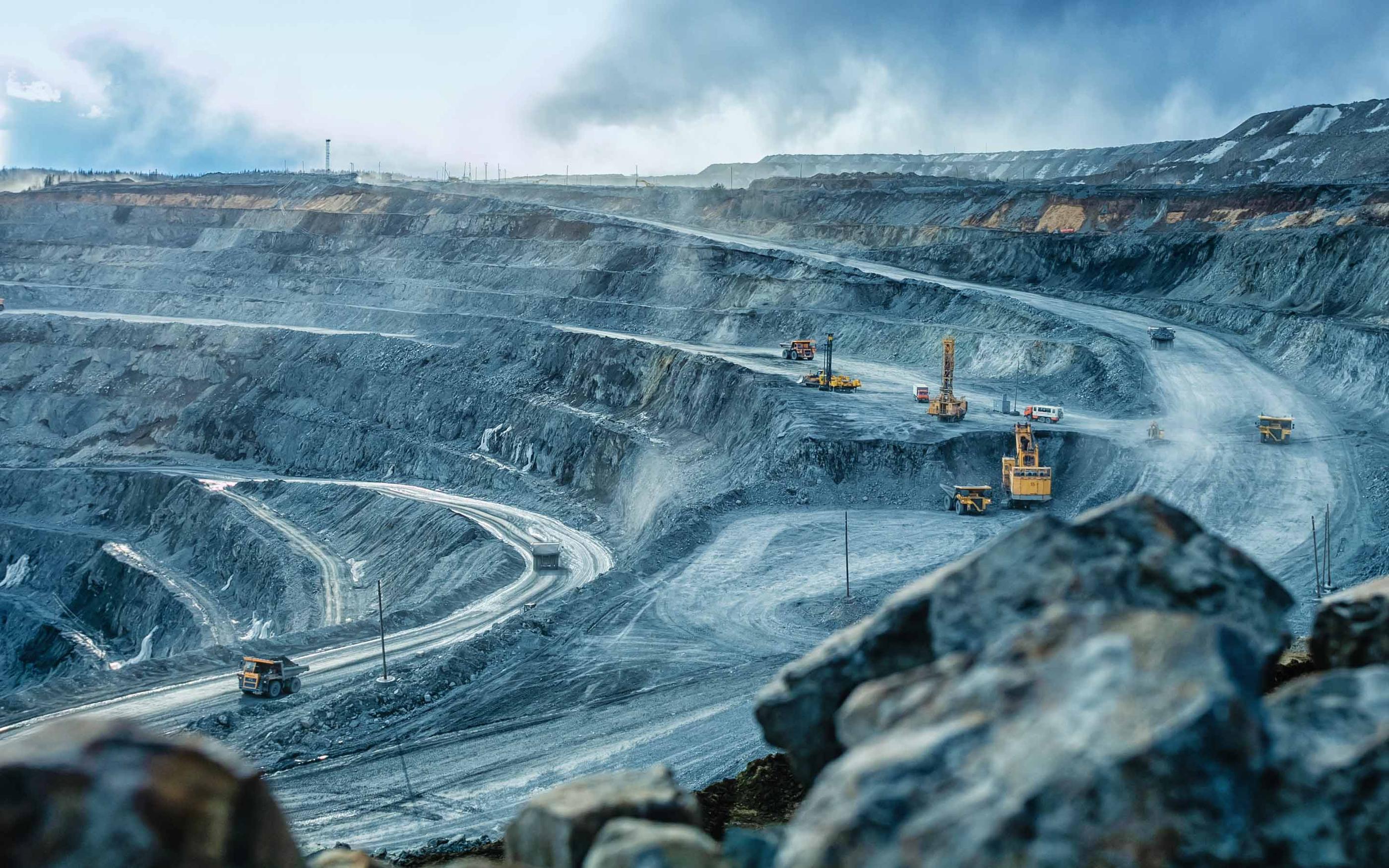
As demand for the majority of minerals accelerates due to population growth and the energy transition, the mining and metals sector is going further and digging deeper. Risk profiles are changing.
Hot beds of activity are compounding risks
Susceptibility to extreme weather and regional tectonics are key vulnerability points that can cause major bottlenecks in critical mineral delivery.
Depending on location, geohazards impacting geotechnics can encompass:
Top actions risk managers can take
Extracting value from geotechnical engineering
Related content
- The mining and metals sector is going further and digging deeper. Risk profiles are changing
- Depending on location, geohazards impacting geotechnics can encompass seismic risks, mass movements, rainfall-induced flooding and geochemical risks, among others
- There are exposures that are outside risk managers’ control, but seven key steps can help to keep mining businesses moving
Download the full article to understand more about geotechnical engineering.
Footnote
- Such as seismometers, piezometers, inclinometers, strain meters, rain gauges and wave height monitoring, as well as satellite-based observation e.g. InSAR Return to article
Authors


Download
| Title | File Type | File Size |
|---|---|---|
| Before rock bottom: Why geotechnical engineering is an asset in mining risk managers’ toolkitsPDF | 3MB |