Technical details:
The earthquake struck at 22:11 UTC on Friday 8 September 2023 (23:11 local time, WEST), within the Atlas Mountains in western Morocco ~70km south-west of Marrakesh and ~135km north-east of Agadir.
The event was thought to be a low-angle south-westerly dipping oblique thrust failure of the North Atlas Fault.
The epicentre was located at 31.064°N 8.391°W, at a depth of 26km (according to USGS, Morocco's National Institute of Geophysics suggests depth as shallow as 8km). The event was thought to be a low-angle south-westerly dipping oblique thrust (reverse) failure of the North Atlas Fault, within the High Atlas Range of the African/Nubian plate ~550km south of its boundary with the Eurasian plate. Due to the complex nature of this fault system and relative lack of similarly sized earthquakes in this region, there is some uncertainty in the focal mechanism. Moment magnitude was 6.8Mw, with the highest Modified Mercalli Intensity (MMI) recorded to be VIII (severe) to the immediate north of the epicentre (Fig. 1). Intensities as high as IV (moderate) were reported up to 300km from the epicentre, throughout Morocco as well as Algeria, Spain and Portugal.
26km epicentral depth according to USGS
6.8Mw moment magnitude
There is continued risk from aftershocks in the days and weeks following the event, and significant risk of landslides due to the mountainous terrain in the area. Adassil, a town located ~10km north-west of the epicentre with a population of over 7,000, is reported to be completely buried by rubble due to a large landslide following the earthquake.
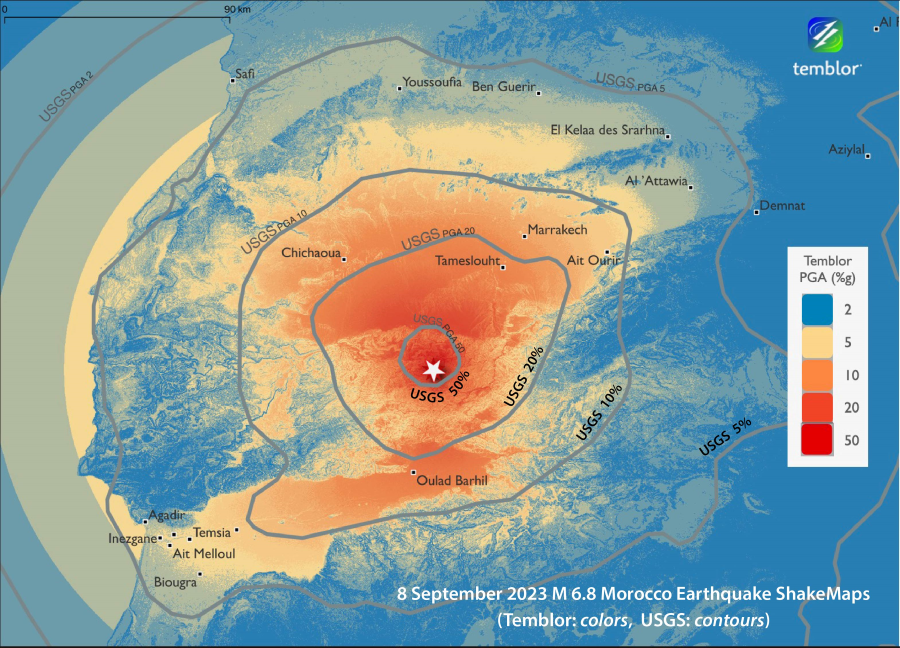
Figure 1: Temblor Inc. shaking footprint vs. USGS 'ShakeMap'.
Source: Temblor Inc.
Human and infrastructure loss details:
At the time of writing, government reports indicate at least 2,681 people are known to have died and a further 2,476 injured, many of them critically. Thousands more are thought to be left homeless, with more than 18,000 families affected by the event in Al-Haouz province, site of the epicentre, and at least 300,000 people in Marrakesh and its surrounding regions according to the World Health Organisation (WHO).
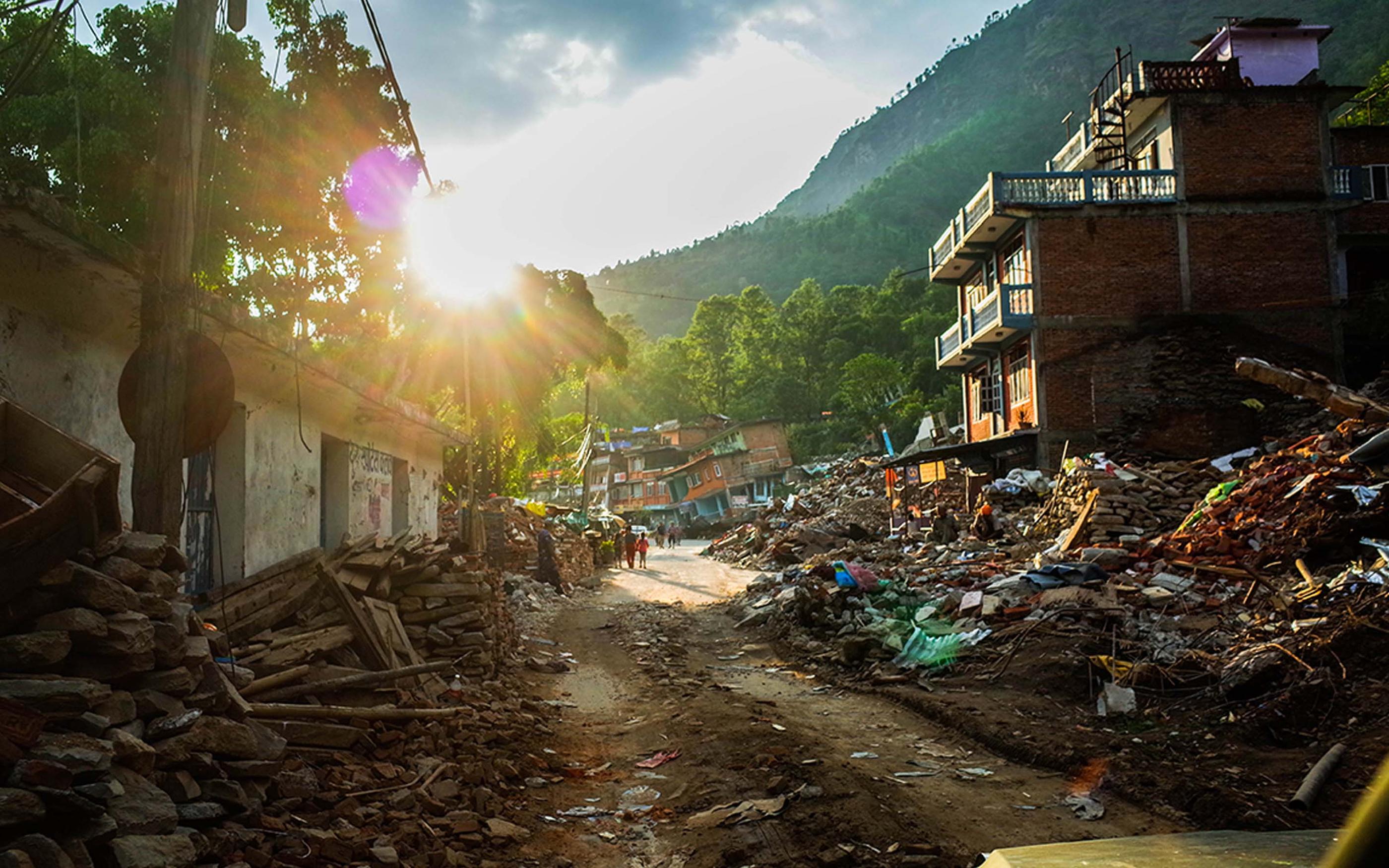
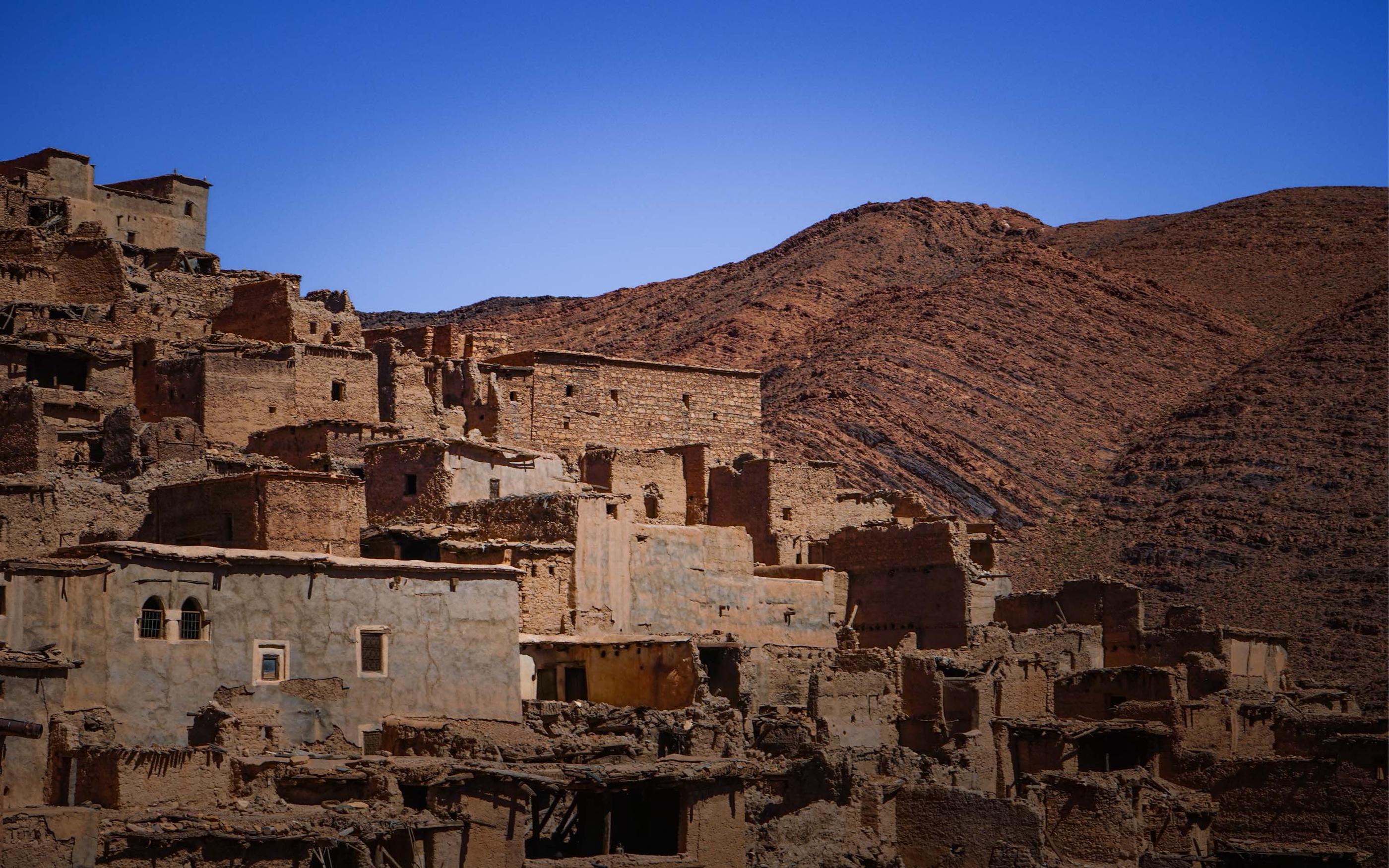
Significant damage to buildings in Marrakesh, with villages close to the epicentre almost completely destroyed.