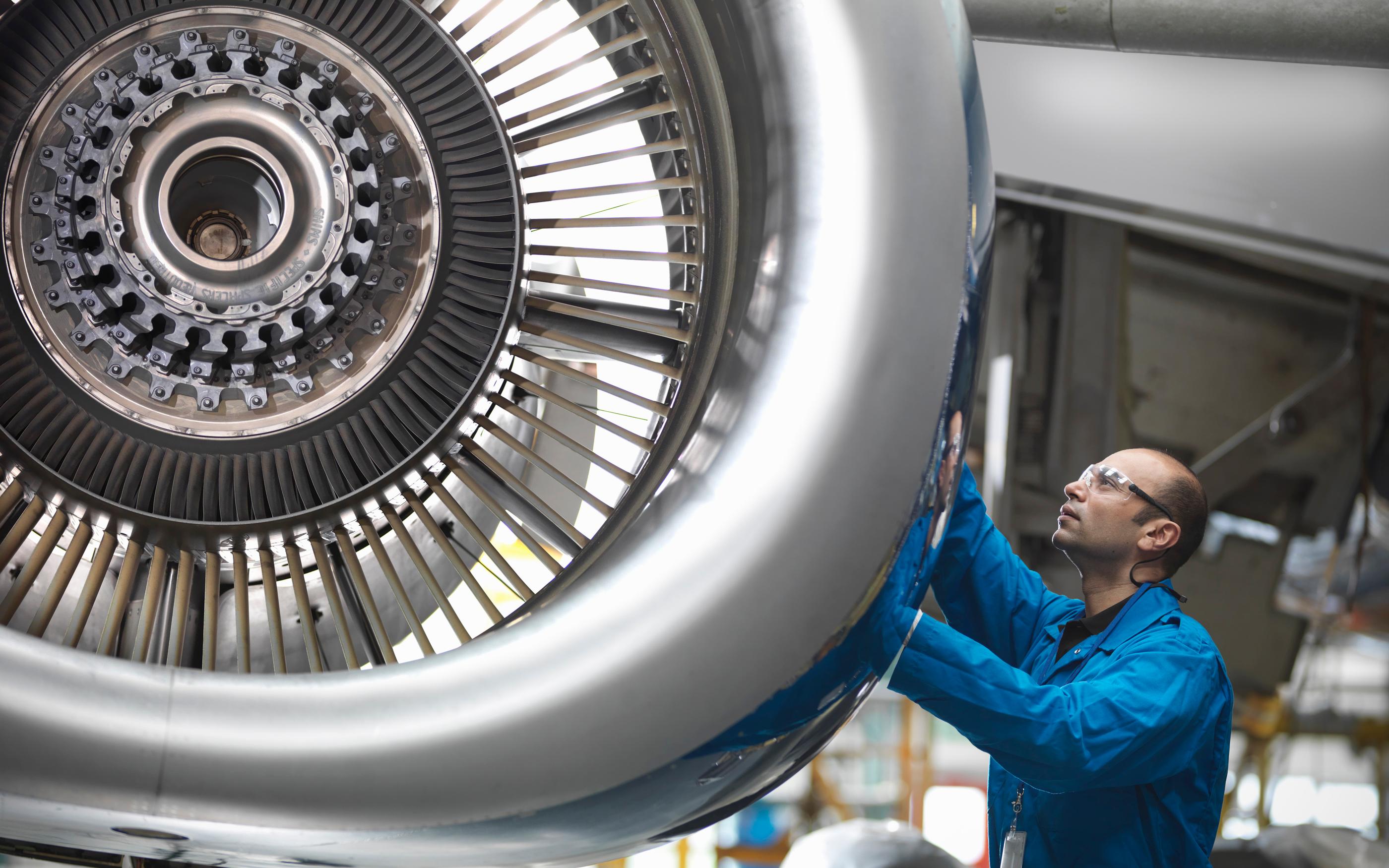
Modern aircraft offer improved fuel efficiency, lower carbon emissions and enhanced passenger comfort. At the same time though, composite materials and sophisticated networked avionics make their maintenance more complicated. As a result, while airlines want new aircraft because they are cheaper and better, the cost of ownership is significantly higher relatively than it was a few decades ago. Acquiring an aircraft requires considerable capital investment and careful financial planning.
Half a century ago, most airlines owned their aircraft, but this high cost of ownership means that these days there are several options for operators trying to put a fleet together. This article looks at the range of financial mechanisms that are available that airlines can use to acquire aircraft, including the role of insurance products like the Sompo AXIS Aviation Finance Insurance policy.
Conclusion
Airlines have a diverse set of options that can support them as they move to acquire aircraft. Each option has its own advantages, risks and suitability depending on the airline’s financial profile, fleet strategy and market conditions. Traditional financing and leasing remain foundational, but innovative strategies like the SAAFI policy are reshaping how risk is managed and capital deployed.
The aviation industry will continue to be pushed forward by a combination of efficiency, sustainability goals, regulatory changes, technological innovation, geopolitical tension and financial challenges. Insurance-backed financing potentially spreads financial risk and, in some cases, could represent a resilient and adaptable financing model that could help support the aviation industry’s long-term ambitions.
Footnotes
Author

Contacts