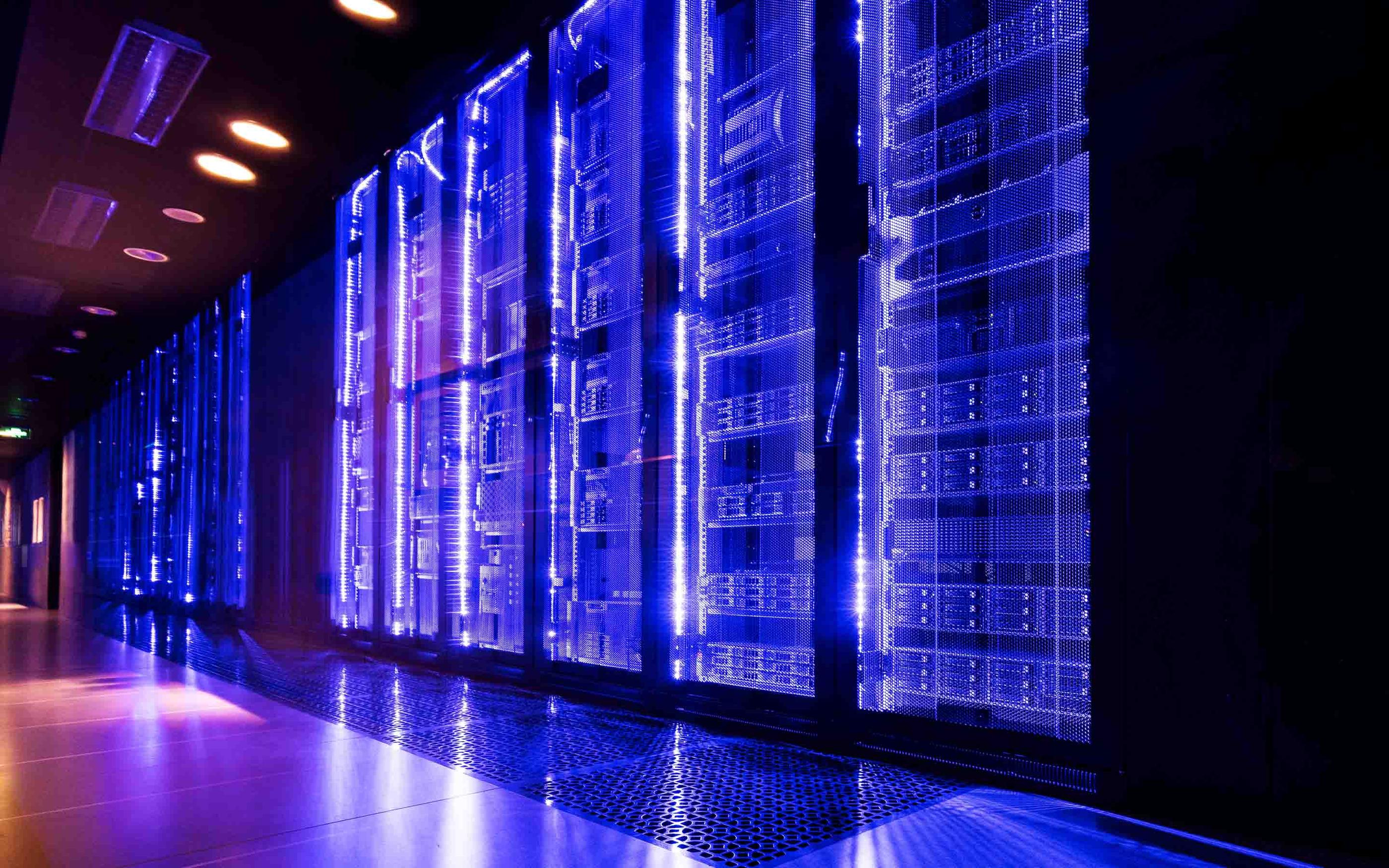
Once constructed, most data center costs are sunk. ROI depends on continuous uptime and high utilization, which means getting on top of the longer-term climate risks that can cause physical damage, disrupt power and cooling systems and cause outages that can drive big business interruption losses.
Chronic risks, such as extreme heat and drought, pose a growing operational and financial risk to data centers. These risks increase cooling demand and power consumption while constraining water availability. In water‑stressed regions, cooling systems themselves can become critical points of failure. Even without outages, declining cooling efficiency reduces power usage effectiveness (PUE) and erodes margins through higher electricity and water costs.
Temperature extremes hit data centers’ operational reliability, cost control and future asset value. Extreme heat, drought and other climate hazards could raise cumulative annual running costs of data centers in operation today by $3.3 trillion by 2055. Yet many data center stakeholders, whether developers, owners, operators, investors or tenants, aren’t integrating climate projections into key decisions across data center life cycles.
Insurers, meanwhile, increasingly view sustained heat stress as an attritional risk, driving higher premiums and reducing insurability over time.
You can better protect assets, control costs and strengthen future returns with forward planning and by asking the right questions on extreme temperatures.
To help your data center project become more bankable and insurable, this insight helps you understand the financial impact of chronic, extreme temperature risks and suggests what you should be asking to better identify, quantify and optimize these risks.
Why should data center stakeholders incorporate extreme temperature risks into site selection and design?
If you don’t integrate future temperature projections into site decisions and design, you may be risking asset values, whether your investment horizon is five years or decades-long.
If you don’t integrate future temperature projections into site decisions and beyond you risk the value of your assets
Many stakeholders remain focused on near-term concerns, while overlooking chronic extreme temperature climate risks that can significantly influence operating costs, asset durability and resale potential.
Site-selection often prioritizes proximity to users, access to power and water and planning feasibility over climate considerations as likely to drive the total cost of ownership, while design standards may be based on historical climate data that don’t reflect likely future temperatures. Without factoring in higher temperature volatility, cooling systems and components could be under sustained stress, increasing energy consumption and failure risk. Sites that appear viable today may be less attractive at the point of resale, particularly where buyers are incorporating longer-term climate resilience into their due diligence.
Key questions:
- How will projected temperature changes affect a given site across a 20-year horizon?
- How could future changes in temperature affect cooling loads and power demand?
- How might heat and drought affect grid stability and water availability?
- How will extreme heat or cold events disrupt water and power supplies?
How do technological shifts change data centers’ extreme heat risk?
Advances in server technology and increasing rack density, particularly for AI workloads, have raised baseline thermal loads. While newer chips may tolerate higher operating temperatures, trends toward higher density increase reliance on advanced cooling, including liquid‑based systems.
Understanding the intersection of shifting technology and climate risk is essential. Cooling designs that perform well today may prove inadequate under higher future temperatures or increased server densities. Retrofitting cooling systems to cope with future extreme heat can be costly and disruptive.
Key question:
- How will emerging technologies alter energy demand, cooling requirements, water demand and downtime risk over the asset life?
How should data center stakeholders assess water availability when addressing extreme heat risk?
Droughts materially affect data center operations by constraining cooling options and increasing reliance on more expensive or less reliable alternatives. Water tariffs, regulatory constraints and the reliability of backup supplies can all shift under prolonged water stress.
Using climate and risk engineering insights early can enable better site selection and design choices, increase investor confidence and long-term insurability.
Using climate and risk engineering insights early can enable better site selection and design choices, before locking in drivers of higher total cost of ownership and lower asset value, increasing investor confidence and long-term insurability.
Key question:
- How will future drought cycles affect operational reliability? What are the potential future costs and constraints of alternative cooling or backup water supplies?

Related content
What analytical insights can help quantify data center extreme heat risks?
Water risk metrics approximate financial exposure to water shortages, showing stakeholders how the viability and cost of operating water-cooled data centers could change under future temperature scenarios.
Degree-day metrics show how often and by how much temperatures exceed thresholds that affect operations, while equipment failure indicators reveal whether systems could reach intolerable conditions. American Society of Heating, Refrigerating and Air-Conditioning Engineers (ASHRAE) design condition data can also support robust cooling design, particularly if you can incorporate medium-term temperature trends.
Key questions:
- Do you understand the key metrics and indicators that can provide reassurance on data center resilience and cost control under extreme temperatures?
- Can you project energy costs across multiple climate scenarios to identify increases in operational expenditure or failure rates?
How can assessing utility resilience reduce data center extreme temperature risks?
Extreme heat stress and freezes, such as the Texas event in 2021, can cause outages and service disruptions, leading to breached contracts, customer attrition and millions in lost revenues.
Utility resilience assessments help critical resource dependency and highlight material risks. Stress-testing scenarios, such as utilities increasing tariffs by 25%, can clarify your site, design and backup operational options to better maintain service and protect asset value and also communicate preparedness to insurers, investors and lenders.
Key question:
- How resilient are your utility providers and what backup capacity do you need to maintain operations during prolonged extreme temperature disruptions?
How does extreme temperature risk mitigation support insurance capacity and investor confidence in data centers?
Insurers look favorably on parties that demonstrate a strong understanding and management of climate risks. Scenario planning, utility assessments and analytical insight around risk mitigations show your data center is prepared for climate-driven disruptions, which can widen insurance capacity and enhance terms.
Scenario planning, utility assessments and analytical insight... can open up greater insurance capacity and potentially more favorable terms.
Outsmarting Uncertainty
Connected risk management for digital infrastructure and data centers
Investors and lenders can also benefit. Assets with documented extreme temperature resilience strategies are easier to finance, sell and attract stronger bids.
You can also use risk transfer mechanisms, such as captives, to encourage extreme-temperature-resilient behavior across networks of data centers. By adjusting internal premiums according to site performance, you can reward businesses demonstrating effective and forward-looking risk management across temperature peaks and troughs. This internal incentive structure strengthens resilience and cost control, while also optimizing server utilization and sustainability.
Key question:
- How can you demonstrate robust, evidence-based extreme temperature resilience planning likely to support insurance capacity and boost investor confidence?
What’s the role of renewable energy in mitigating data center extreme heat risks?
Considering renewable energy potential early can inform site selection and design decisions that reduce risk, costs and emissions, making assets more attractive at point of sale.
On average, cooling accounts for around 35 to 40% of data center energy demand. Sites with renewable energy potential can help stabilize operating costs by supplying low-cost energy that can meet some or all energy demand. Some schemes, for example, where heat from data centers may be used to warm local homes, a term known as district heating, can also enable data centers to act as ‘good neighbors’ to the communities in which they operate.
Renewables paired with storage can also reduce reliance on strained grids during heat events, at the same time as boosting sustainability by reducing reliance on carbon- and water-intensive sources of energy.
Key question:
- Can you optimize both extreme temperature risks and sustainability by factoring renewable energy potential into site selection and design?
For specialist support to understand, quantify and optimize the extreme heat risks facing your data center, get in touch.