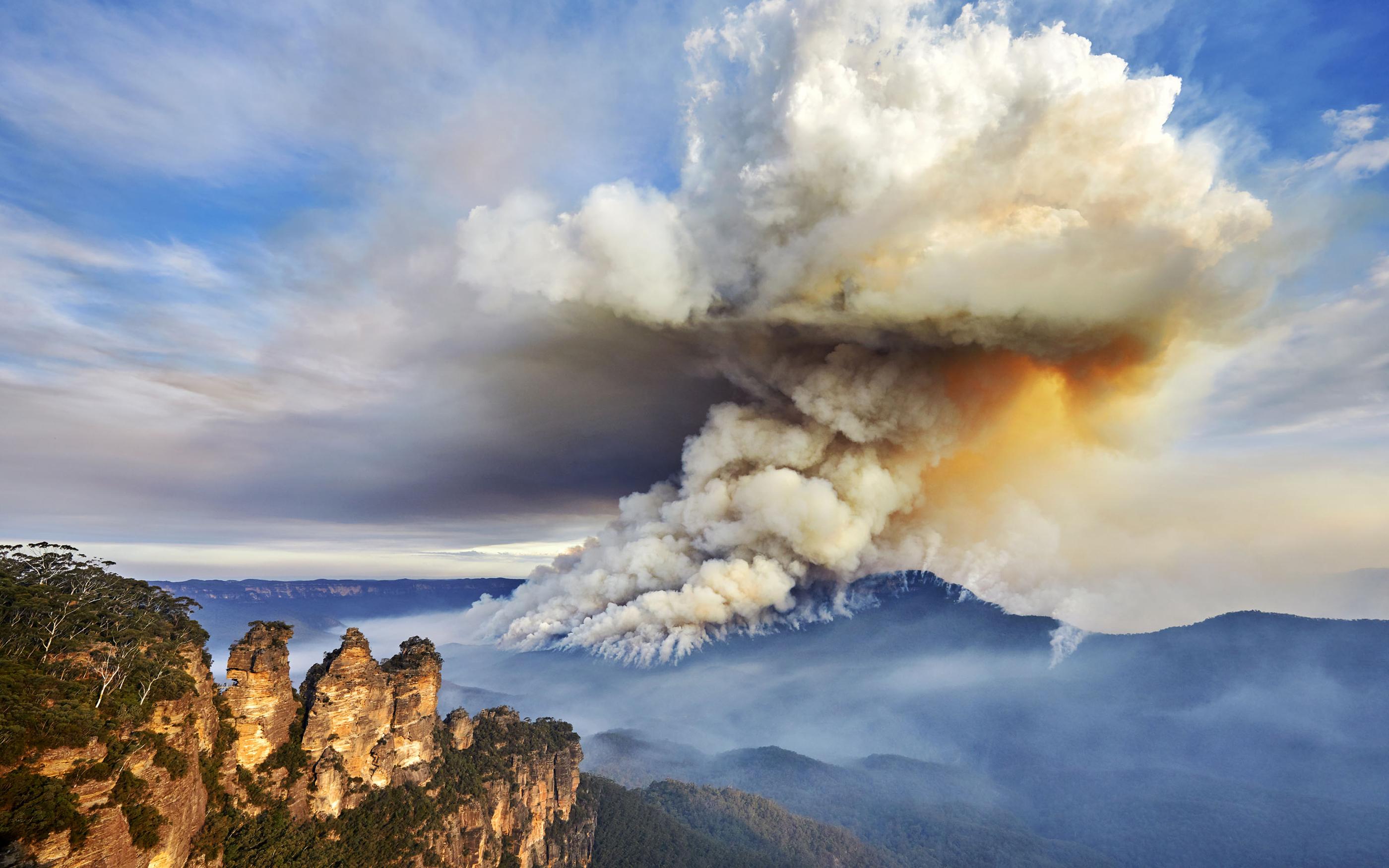
In this edition, we consider major catastrophes that shaped our view of risk during the first half of 2025 (Figure 1). Our team of experts set out the causes and effects of those disasters but also goes beyond the headlines to identify the underlying factors that made them possible. The review also focuses on the outlook for the rest of the year and beyond, exploring potential threats from hurricanes, drought, flood and other hazards.
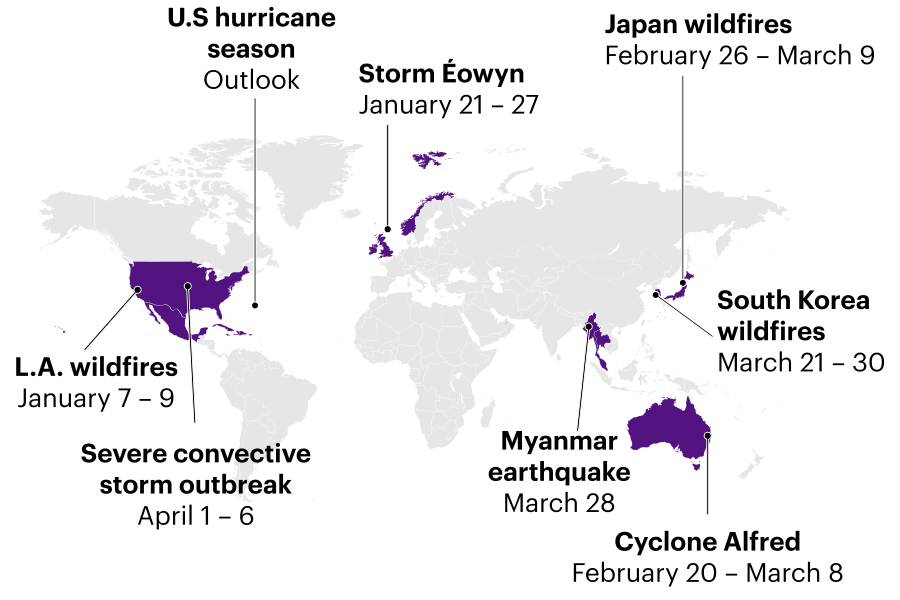
Figure 1. Prominent natural catastrophes January – June 2025 discussed in this Natural Catastrophe Review
Worldwide, insured losses from natural catastrophes now consistently exceed USD $100 billion per year. As recently as the previous decade, high loss years (2011 and 2017, most prominently) were intermingled with ‘quiet’ years with moderate or low losses (Figure 2). It’s now been six years since the insurance industry last experienced a quiet year for natural catastrophe. Events so far in 2025 indicate that streak will continue for at least one more year.
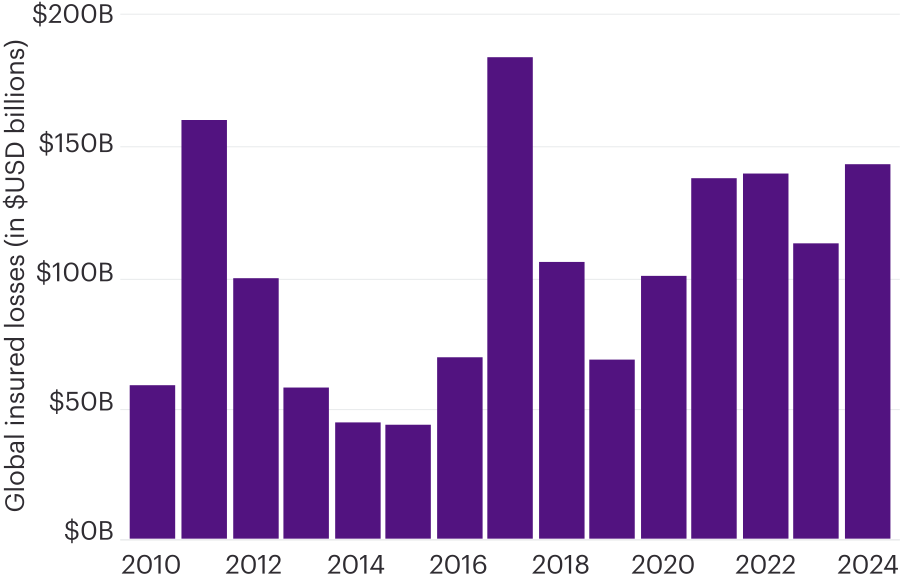
Figure 2. Global insured losses from natural catastrophes by year, 2010 to 2024. Values are expressed as US dollars and adjusted for inflation.

Savage wildfires wreak havoc
On January 7, an ill wind began to blow down the mountain canyons north of Los Angeles. Upland forests and shrubs were already bone dry thanks to a delayed start to the winter rainy season so the arrival of hurricane-force Santa Ana winds let loose a monstrous spate of wildfires across the city. By the time the flames were finally extinguished, more than 18,000 homes and buildings were burnt or destroyed and at least 29 people were killed — by any measure, one of the worst catastrophes in California’s history.
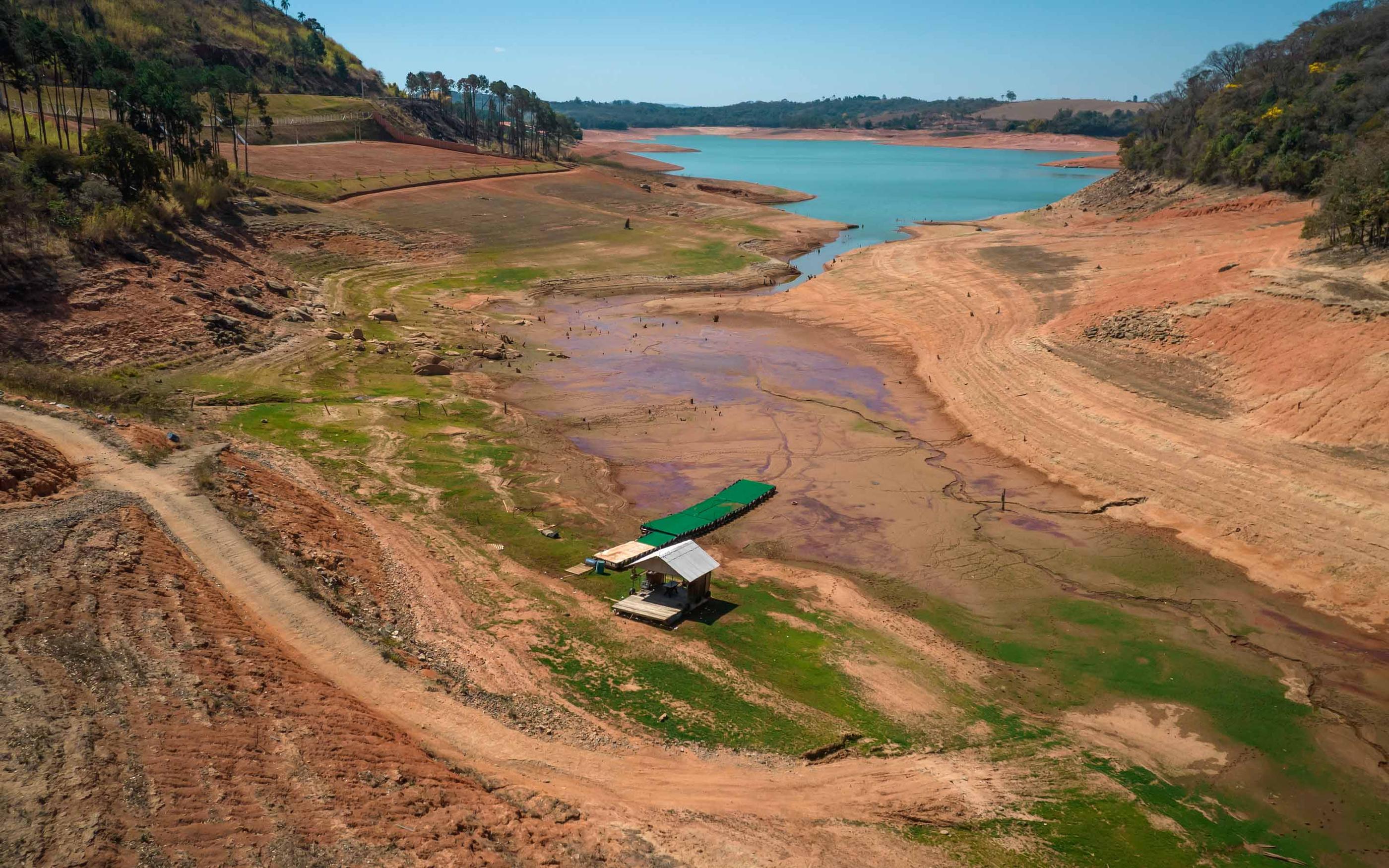
The Los Angeles wildfires were devastating but should not be regarded as a surprise. Southern California has been gripped by severe drought for most of the past two decades, which raised both the odds and impacts of uncontrolled wildfire. To adequately prepare for the next catastrophic wildfire, risk models used by insurers and reinsurers absolutely must account for elevated fire weather conditions, use up-to-the-moment fuel profiles, and be able to correctly simulate the critical transition when wildland fire turns into urban conflagration (Section 2.1).
Wildfire also continues to be an emerging concern in many other parts of the world. Already this year, Japan and South Korea have experienced the worst wildfires in at least a generation. Longer, hotter fire seasons combined with expanded urban development hint at the strong potential for larger insured losses in the future (Section 2.2). And in Canada, although well behind the record pace of 2023[1], wildfires have burned more than 4.6 million hectares, caused the evacuations of tens of thousands of people, and sent unhealthy air across the central and eastern part of the country and the United States next door.

Water remains a major gap for insurance
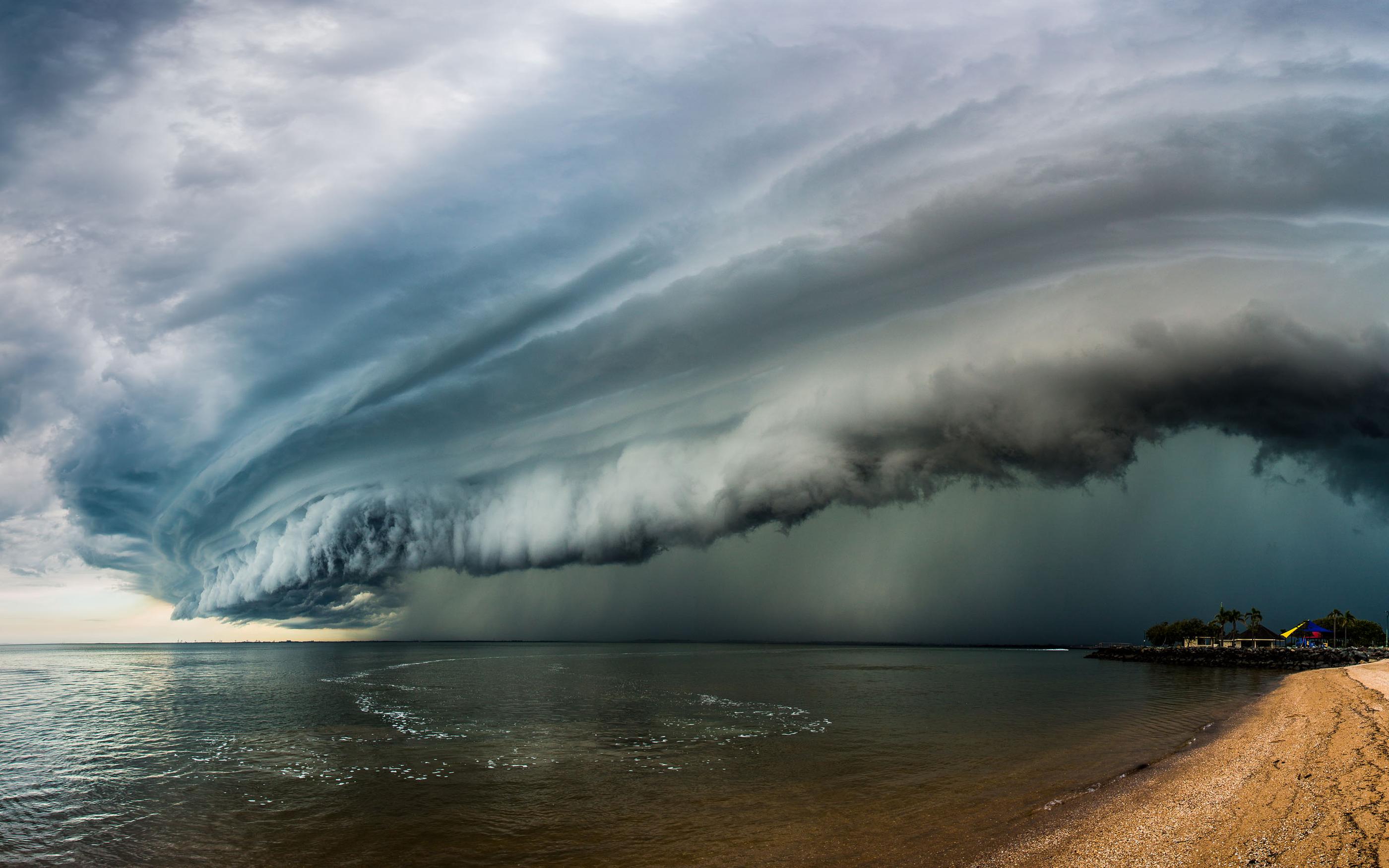
After two years in a row with insured losses in excess of USD $50 billion no one can consider severe convective storms (SCS) in the United States as a “secondary” peril. The combination of explosive growth in exposure and more favorable environments for storm genesis has raised SCS losses to be roughly equal to losses from hurricane damage over the same time frame.
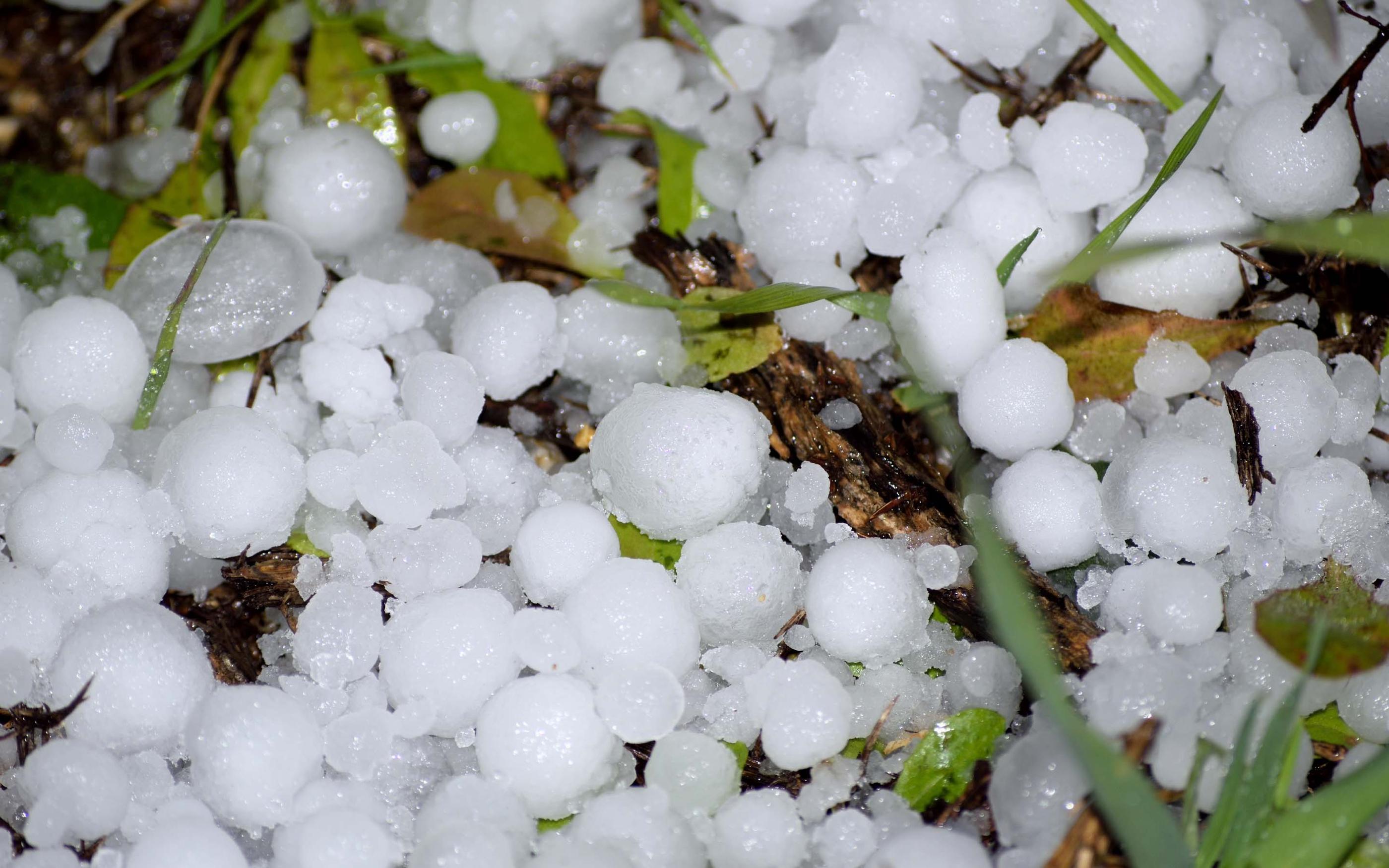
Through the first half of the year, 2025 ranks as the second- or third-most active year on record for local reports of damaging winds and tornadoes, respectively. Hail reports have hewed close to the long-term average, with large hailstones reported in Texas, Oklahoma, Minnesota and Wisconsin.
Complete our form to get a link to download the report

In addition to direct damage from strong winds and hail impacts, severe convective weather can also serve as the trigger for extreme or widespread flooding. A storm system that cut across the Central Great Plains in early April generated more than 150 tornadoes and caused record-setting floods across Arkansas, Tennessee, and Kentucky that closed roads and destroyed bridges across the region. The limited penetration of flood insurance in this part of the country remains a stubborn problem, and new approaches may be required to stop the insurance protection gap from widening further (Section 2.3).
Reference
- WTW. Out of the woods: How far will Canada’s wildfires spread? (2023). Return to article
The limited penetration of flood insurance in this part of the country remains a stubborn problem, and new approaches may be required to stop the insurance protection gap from widening further.