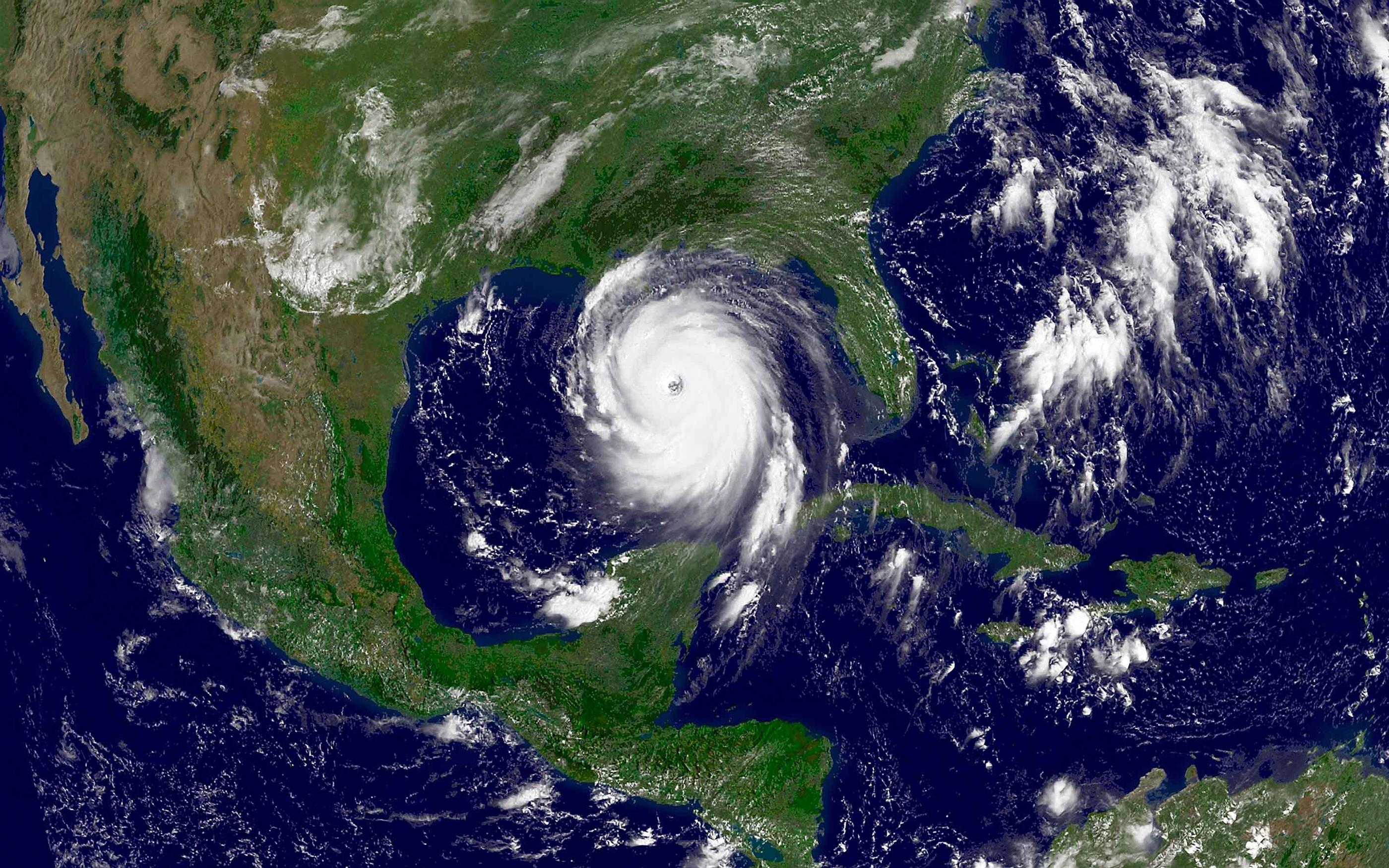
Rather than ask “are we ready for another Katrina?”, the question should be: “are we ready for a completely different kind of disaster?”
So how can we avoid being blindsided by the next “predictable surprise”?

Related content
One of the biggest barriers is the failure of imagination, our tendency to overlook risks we haven’t experienced before.
Climate-driven events can impact multiple regions at once, from simultaneous wildfires to flooding across river basins.
Yet few insurers have robust modelling capability to quantify the financial and reputational impact of such disputes.
References
- Beriwal, M. (2006). Preparing for a Catastrophe: The Hurricane Pam Exercise. Return to article
- Rye, C.J., Boyd, J.A. (2022). Downward Counterfactual Analysis in Insurance Tropical Cyclone Models: A Miami Case Study. In: Collins, J.M., Done, J.M. (eds) Hurricane Risk in a Changing Climate. Hurricane Risk, vol 2. Springer. Return to article
- WTW. Willis Natural Catastrophe Review January to June 2025. Return to article
- WTW. Global Reputational Risk Readiness Survey 2024/25. (2025). Return to article
Authors


Climate change amplifies this risk by increasing the frequency, intensity, and overlap of extreme events, stretching infrastructure and recovery systems in unpredictable ways.