Natural Catastrophe Review H1 2023
examining recent natural disasters, lessons learned, and emerging trends.
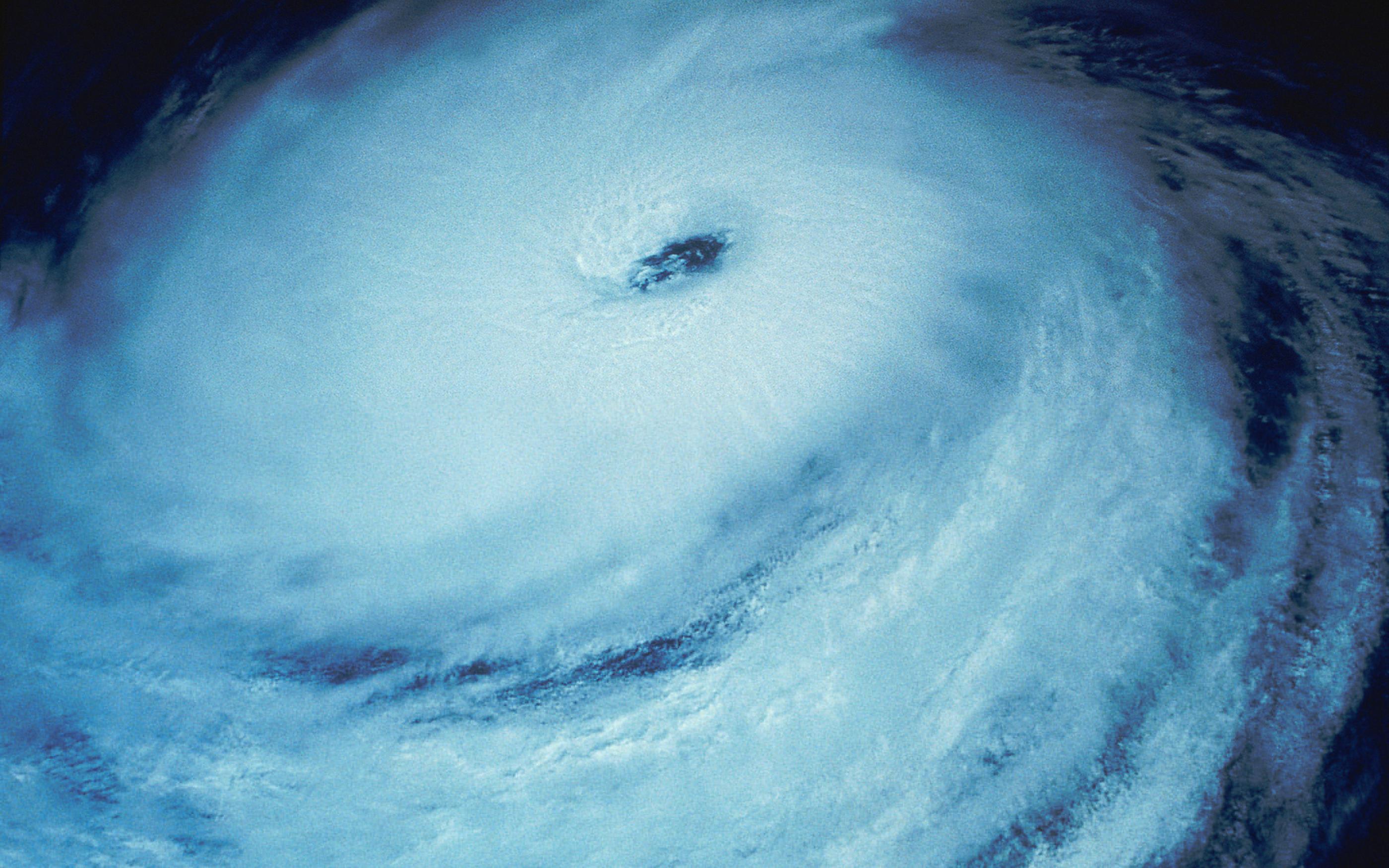
Should we expect our forecasting systems to pick up on this potential for a changing influence? There are two main methods currently used by different agencies to forecast hurricane activity: statistical and dynamical. Seasonal hurricane forecasts based on statistical methods, which are built using historical data, generally reproduce the suppressing effect of El Niño and point to a below normal season. Our alternative to statistical methods is using the physical laws of weather and climate embodied by dynamical methods.
These methods are not constrained to repeat historical relationships and may capture new, unobserved effects in a changing climate. Some of these methods are suggesting that the influence of this year’s El Niño may not be as strong as historical El Niño events with less strong hostile winds over the Atlantic. Consequently, these point to an above normal season. Many lessons will be learned from the dual and interacting influences of El Niño and climate change on the 2023 hurricane season. This will allow us to improve our forecasting systems to keep pace with our changing climate.
References
- Ben Noll [@BenNollWeather]. It’s official: the Atlantic Main Development Region (MDR) has reached a record high temperature for the month of June. Twitter. Return to article
- Barcelona Supercomputing Center. Seasonal Hurricane Predictions. Return to article
- Barcelona Supercomputing Center. Seasonal Hurricane Predictions (2023). Return to article
- Dr. Robert Rohde [@RARohde]. This is getting ridiculous. OISST provides a real-time daily index of ocean surface temperature (60 S - 60 N). For the last month it has been continuously reading higher than in any previous year and still shows no sign of settling. Twitter. Return to article
Disclaimer
All statistics were correct at time of publishing.
Should we expect our forecasting systems to pick up on this potential for a changing influence?