
Over 43% of the global workforce are sleep deprived, according to WTW’s 2022 Insurance Marketplace Realities Report. Restorative rest through quality sleep is important for employees to function well at work.
The contributing factors of sleep loss can vary for each person and may be a combination of conscious choices and involuntary causes. Occasional lack of sleep is generally not harmful. However, prolonged and unresolved sleep issues can inhibit employees’ work performance and negatively impact work relationships (Figure 1)2.
Symptoms of sleep deprivation
|
Slow reaction times Reduced attention span Worsened memory Poor or risky decision-making | Lack of energy Vulnerable to stress Amplified emotional reactions Microsleep episodes |
Sleep deprivation and sleep apnea are among key factors in workplace accidents, which can result in increased risk or financial loss to employers and insurers.1
In addition to occupational hazards, constant sleep loss can lead to chronic health problems and long-term physical issues, including coronary heart disease, diabetes, obesity, heart attack and immunodeficiency, according to the Sleep Foundation. Sleep deprivation can also contribute to mental health conditions such as anxiety and depression.2
Employers can raise awareness for the importance and positive impact of quality sleep through a simple sleep campaign.
Promoting healthy habits with a sleep campaign
Employers can raise awareness for the importance and positive impact of quality sleep through a simple sleep campaign. Here are some recommendations to get started:

Modernising Benefits
Navigate the many complex decisions around benefit design and delivery.
The future of sleep health is rapidly changing by integrating digital tools to manage sleep habits. As a sign that more organisations across the world are taking this seriously – one in five U.S employers are planning to introduce third-party digital, virtual or coaching solutions to employees for sleep in the near future.3
WTW recently partnered with Wellteq in a study on the effectiveness of a digital wellness app to engage, educate, socially connect and motivate employees in a sleep health and hygiene improvement program. The study found that 59% of participants improved their average nightly sleep duration with the aid of an app. The weighted average sleep duration increase was 38 minutes of nightly additional sleep achieved.
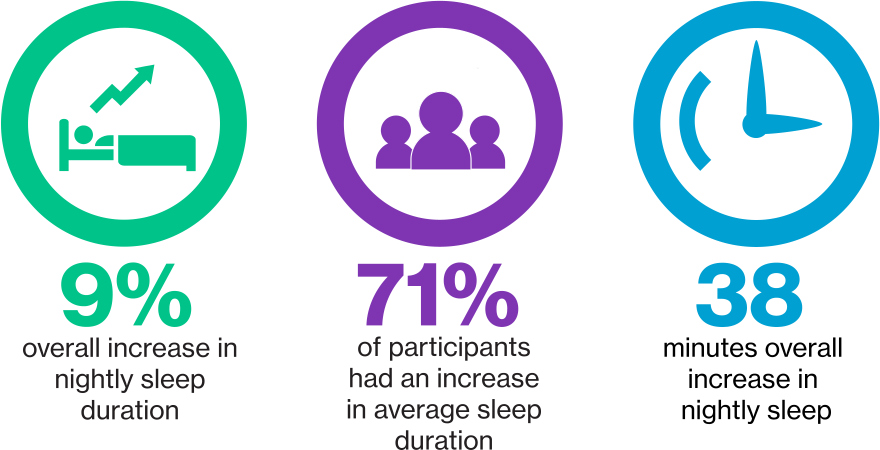
Figure 2. Use of a digital wellness app improved sleeping habits for employee participants
An engaging digital experience can help employees understand how to make the necessary behavioural changes to improve their sleep hygiene.
Employers can play a key role in offering targeted sleep and wellbeing initiatives to support their employees.
The next article in our series will switch gears to look at medical utilisation through the lens of the employee experience.
Sources
1 WTW 2022 Insurance Marketplace Realities
2 Sleep Foundation
3 WTW 2020 Health Care Delivery Survey (U.S.)
4 The Hidden Public Health Problem of Inadequate Sleep: Deploying Digital Mobile Technology to Improve Employee Sleep Hygiene in Asia
Author

59%