
What is considered intellectual property?
Before we look to the various types of IP insurance, first let’s consider the categories of intangible assets and related exposures faced by companies. While not physical in nature, intangible assets are identifiable, can be bought and sold independently of the owner, and therefore have value.
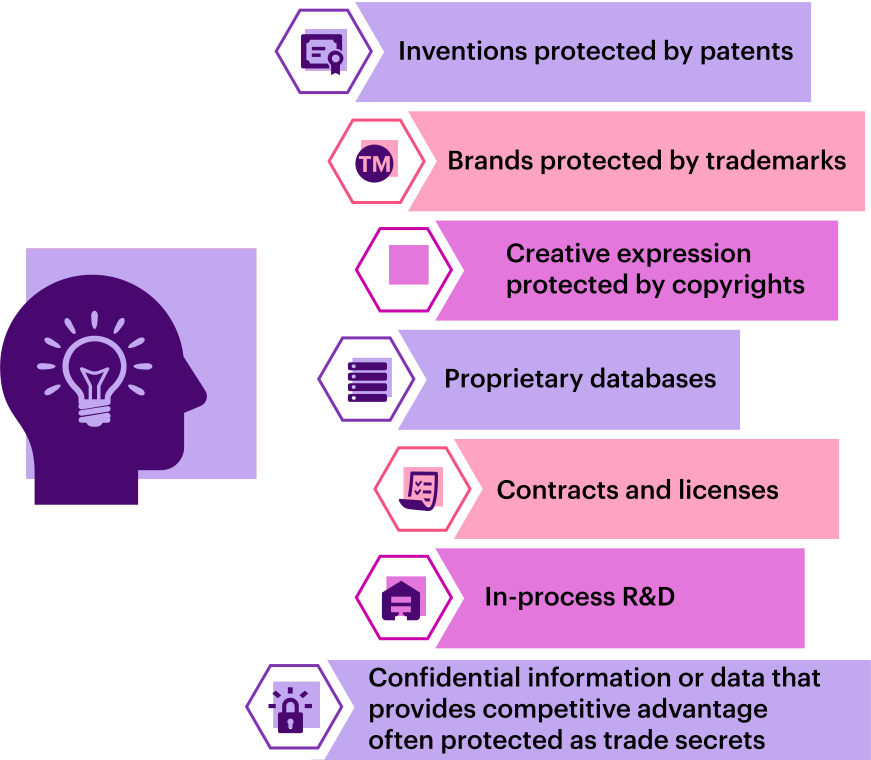
Examples of intangible assets
What are intangible asset exposures?
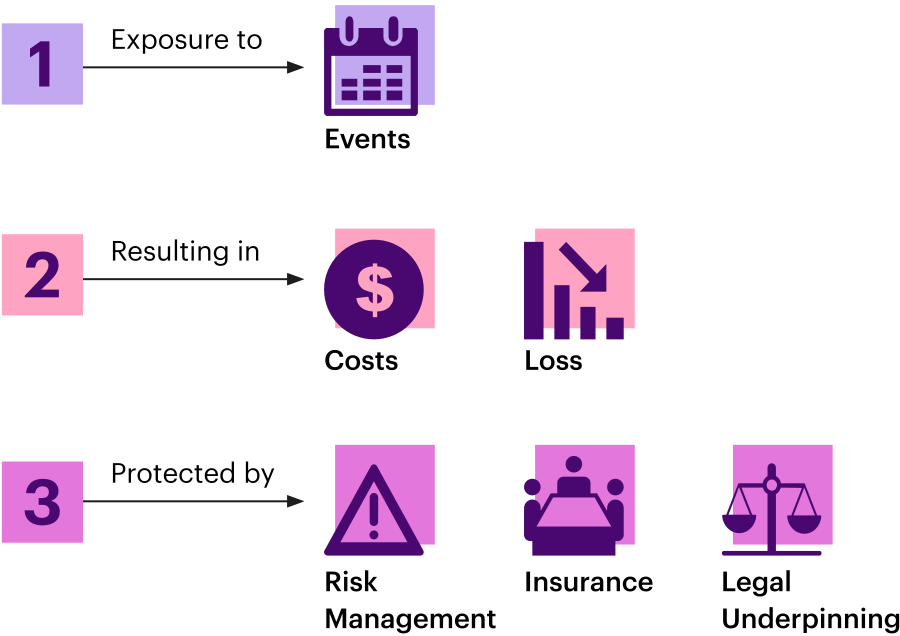
Intangible asset exposure and insurance process
- Disclosure/Leak
- Misappropriation
- Damage
- Destruction
- Loss
- Counterfeiting
- Ownership Dispute
- Infringement
- Legal challenge to an IP right
- Legal Expenses
- Investigative Costs
- Settlement
- Damages
- Infringement Indemnity Costs
- Lost Revenue
- Repair Costs
- Redevelopment Costs
- Lost or decreased Value
- Design-around Costs
- Criminal Penalties
- Loss of Relationship
- Loss of License
- Replacement Costs
Understanding the complexities and potential financial impact of intangible asset risks is crucial for safeguarding your business. At Willis, a WTW business, we specialize in providing innovative and comprehensive risk management and financing solutions. With our client-centric approach, robust analytics, and global infrastructure, we are committed to delivering exceptional value and ensuring your peace of mind.
Contacts

Why choose Willis as your IP insurance and risk management solutions provider?
At Willis we provide IP insurance guidance and solutions, to quantify and mitigate these risks, to supplement your risk management protocols and provide additional financial protection in the event of a loss of intellectual property or other intangible assets.
Frequently asked questions on IP insurance and IP infringement protection
IP insurance is a type of coverage designed to protect businesses and individuals from the financial risks associated with intellectual property (IP) disputes. This can include legal costs, damages, and settlements related to IP infringement claims.
Other lines of insurance typically either exclude or limit coverage for IP exposures. IP insurance fills that gap. Filling that gap is important because organizations increasingly recognize IP as a critical asset for gaining market share and maintaining a competitive edge. At the same time, organizations are using intangible assets, such as software, in both their operations and in their products and services. As a result, the risk of IP infringement has increased, and IP disputes are expensive. IP insurance provides financial stability by helping to cover the costs of IP disputes.
IP infringement protection typically covers legal expenses, damages, and settlements arising from claims that your business has infringed on someone else's intellectual property rights. This can include patents, trademarks, copyrights, and trade secrets. In addition, some IP insurance products also offer legal expenses to enforce your IP rights, to protect your IP against legal challenges, and to address IP contract and license disputes.
To obtain IP insurance, you can contact an insurance broker that specializes in intellectual property coverage. They will assess your needs and provide a policy tailored to your business's specific risks and requirements.
IP infringement protection offers several benefits, including financial security, legal support, and peace of mind. It ensures that your business is prepared to handle IP disputes without facing significant financial strain. This can be especially important if you are introducing new products or entering new markets. In addition, it provides a financial backstop to contractual IP infringement indemnities, which customers often require. In M&A transactions, it protects the buyer from IP risks related to the acquired company.
The cost of IP insurance typically depends on factors such as size of your business, the industry in which you operate, your IP assets, where you do business, any loss history, and the level of coverage you’re seeking. It’s best to obtain a quote from a knowledgeable and experienced insurance provider that can assess your IP risk profile to appropriately price the coverage for your situation.