
About the survey
For nearly 30 years, WTW has been tracking how employee wellbeing has evolved in the workplace. What started as a U.S.-based survey in 1997 has become a globally consistent study of employer wellbeing strategies starting in 2015. This year marks our sixth biennial global survey, providing a unique perspective on how organizations are adapting their investments and priorities to meet the changing needs of their workforce.
Employers have spent the past decade expanding their approach to employee wellbeing. Now they are taking a harder look at what those investments deliver.
The 2026 Global Wellbeing Diagnostic Survey finds that employers remain committed to wellbeing, but cost pressures and changing workforce needs are influencing where they put their resources. Based on 4,115 employer responses representing approximately 55 million employees across 91 markets, the findings point to greater emphasis on targeting investments, demonstrating value and addressing the needs of employees who could benefit most.
Nearly 80% of employers say they are advancing or accelerating their wellbeing goals, how to make that investment count is the challenge.
Download the report
View the global findings
Cost pressure is changing investment decisions
More than half of organizations now integrate wellbeing into their total rewards programs, compared with just 10% in 2015. Employers have also expanded their efforts across physical, emotional, financial and social wellbeing, with 92% now providing solutions across the employee risk spectrum.
But employers are making those investments in a more difficult cost environment. Nearly 68% say healthcare costs are affecting wellbeing investment decisions, while budget and resource constraints are the biggest challenge facing wellbeing programs globally.
That doesn't mean employers are pulling back. Only 20% say they are pausing or decreasing their investments. Instead, many are looking more closely at what works. Nearly 75% plan to change their wellbeing programs, but only 8% believe they need a complete redesign (See figure 1). For most, the task is to improve the value of what they already have.
That requires a different discipline from simply adding programs. Employers need to understand which interventions are being used, by whom and to what effect. They also need to consider whether overlapping programs and vendors add value or simply add complexity.
Value goes beyond traditional ROI
Employers also appear to be taking a broader view of what they expect wellbeing programs to accomplish.
Only one-third require programs to meet a specific return on investment (ROI) or cost-benefit threshold. More than half focus on wider organizational value, including engagement, retention, productivity, resilience and culture.
Healthcare costs remain an important consideration, but employers increasingly recognize that the value of wellbeing can show up elsewhere in the organization. That calls for measuring what a wellbeing strategy is designed to achieve.
A program intended to strengthen resilience, for example, shouldn't necessarily be judged by the same measures as a program intended to reduce healthcare utilization. Clear objectives and appropriate outcome measures can help employers make better decisions about what to continue, change or stop.
Mental health remains a global priority
Cost pressures may be changing how employers invest, but they haven't displaced the workforce issue at the center of many wellbeing strategies. Two-thirds of organizations identify stress, burnout and mental health among their highest priorities. These issues rank first across every major region covered by the survey.
Mental wellbeing intersects with many of the outcomes employers are trying to influence, from engagement and productivity to absence and retention. The importance of mental wellbeing reinforces the need to look beyond individual programs. Workload, culture, leadership and the broader employee experience can all influence whether employees can thrive at work.
A wellbeing strategy can't operate effectively in isolation. It needs to connect with the wider environment in which employees work.
Receive a personalized scorecard
2026 Wellbeing Diagnostic Survey
Financial wellbeing exposes a disconnect
While employers and employees share some concerns, they don't always agree on where support is needed most. Financial wellbeing presents the clearest disconnect.
Half of employees say they want more support with their financial situation. Yet only 19% of employers plan to prioritize financial wellbeing over the next two years. The 31 percentage point gap is the largest identified in the research.
Financial wellbeing is also one of the few areas where employee outcomes have shown little improvement over time. Employers have traditionally concentrated on financial education, benefits understanding and retirement savings. Those remain important, but they may not address the immediate pressures employees face, including debt, emergency savings and household expenses.
This presents an opportunity to reconsider financial wellbeing as part of a broader resilience strategy. Helping employees prepare for the future matters, but so does helping them manage the financial pressures affecting them today.
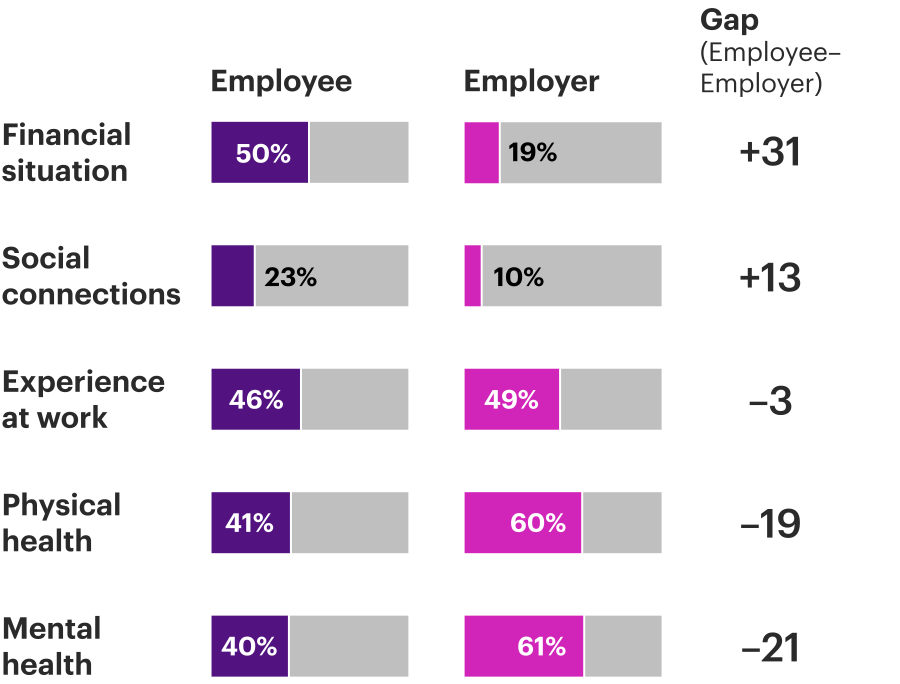
Figure 2: Financial support is gaining much greater attention from employees than from employers
Q: Which of the following would you most want your employer to support you with?
Q: Please rank how your organization will prioritize the following aspects of its wellbeing program over the next two years.
Who is benefiting from wellbeing programs?
Another finding complicates the overall picture. Employee wellbeing has improved in several areas, but employees who are thriving and those struggling across multiple dimensions of wellbeing don't experience employer programs in the same way.
The difference is substantial, and it points to a potential limitation of broad-based strategies. Making resources available across the workforce doesn't necessarily mean they will reach or work for the employees with the greatest needs.
More targeted approaches could help employers address that gap. This might mean using available data to identify areas of elevated risk, examining barriers to participation or tailoring communications and interventions to specific workforce populations.
The objective is to make support more relevant and direct limited resources toward areas where they can have greater impact.
Making wellbeing investments work harder
Our survey findings suggest that wellbeing strategy is moving into a more disciplined phase.
Employers aren't choosing between supporting wellbeing and controlling costs. Increasingly, they need to do both. That means understanding employee needs, setting clearer objectives, integrating wellbeing with the broader people strategy and measuring outcomes that matter to the organization.
Execution will be critical. Budget and resource constraints remain significant barriers, but employers also cite employee participation, awareness, workload, leadership alignment and governance among the challenges standing in the way of progress.
No single model will address those issues across every workforce. Priorities also vary by market, reinforcing the importance of combining a global strategy with an understanding of local needs.
Employee wellbeing is shifting gears to focus on strategic outcomes over volume of program offerings. Employers are taking a closer look at whether investments address meaningful employee needs, reach the right populations and contribute to the workforce outcomes the organization is trying to achieve.
Download the 2026 Global Wellbeing Diagnostic Survey report for deeper findings, employer investment priorities and insights into how organizations are building more effective wellbeing strategies.
Contacts