As the world’s ports community meets in Kobe, Japan, the Head of Special Risks at WTW’s Marine, GB business considers the changing nature of risk for ports and terminals.
An evolving risk landscape
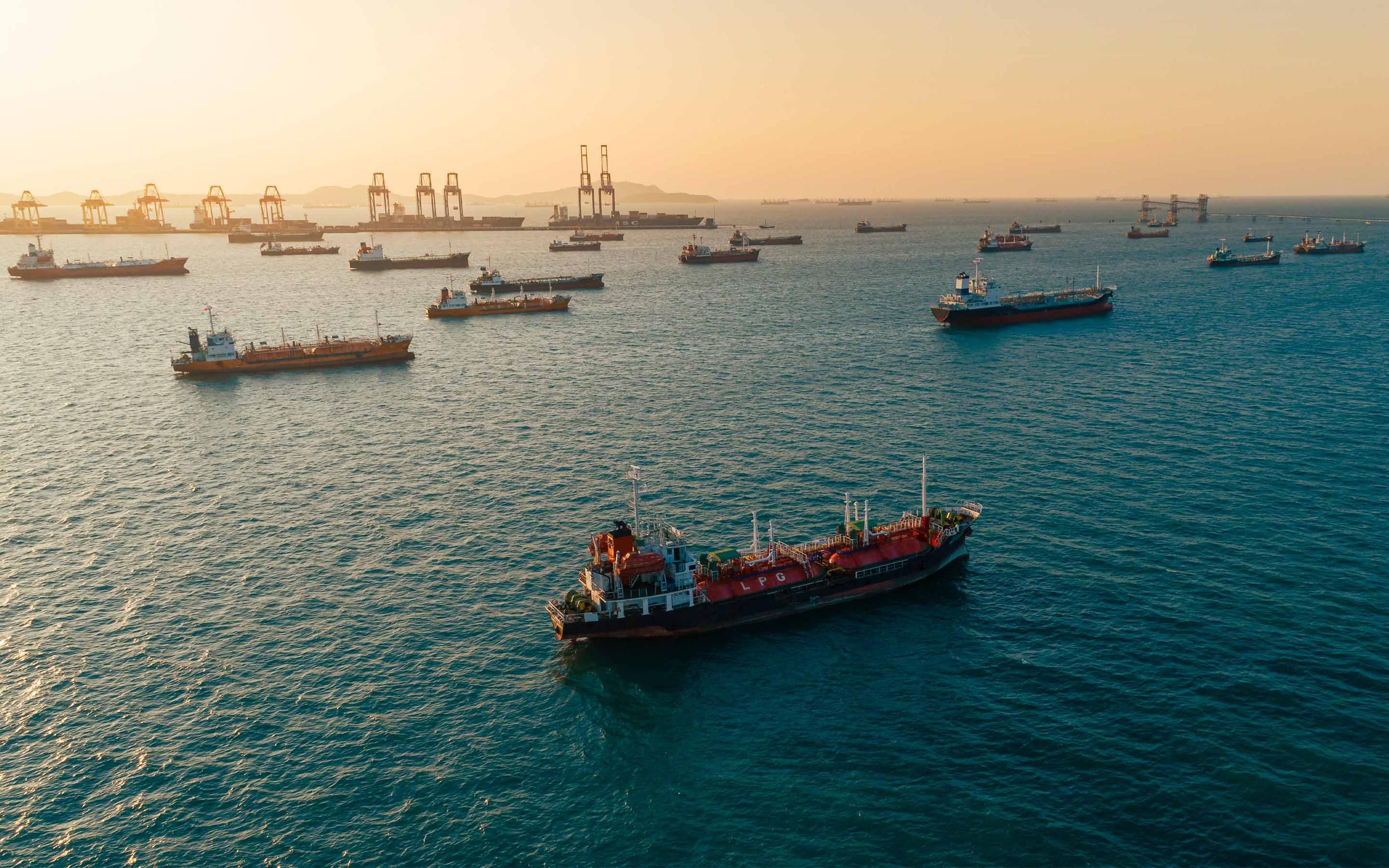
Ports appear, by their nature, to be fixed in time and place, but they too, feel the impact of changes taking place in global supply chains. Ports are at the sharp end of geopolitical risk and unlike shipping lines or manufacturers, they cannot move to lower-cost, more benign locations.
Nonetheless, ports are adapting. Changes to the global trade environment are prompting port operators and their customers to adjust their strategies to reflect the changing outlook. Investors continue to see opportunity in this asset class while at a macro level ports are considering their role in the decarbonization of shipping and the wider global economy.
Direct investment
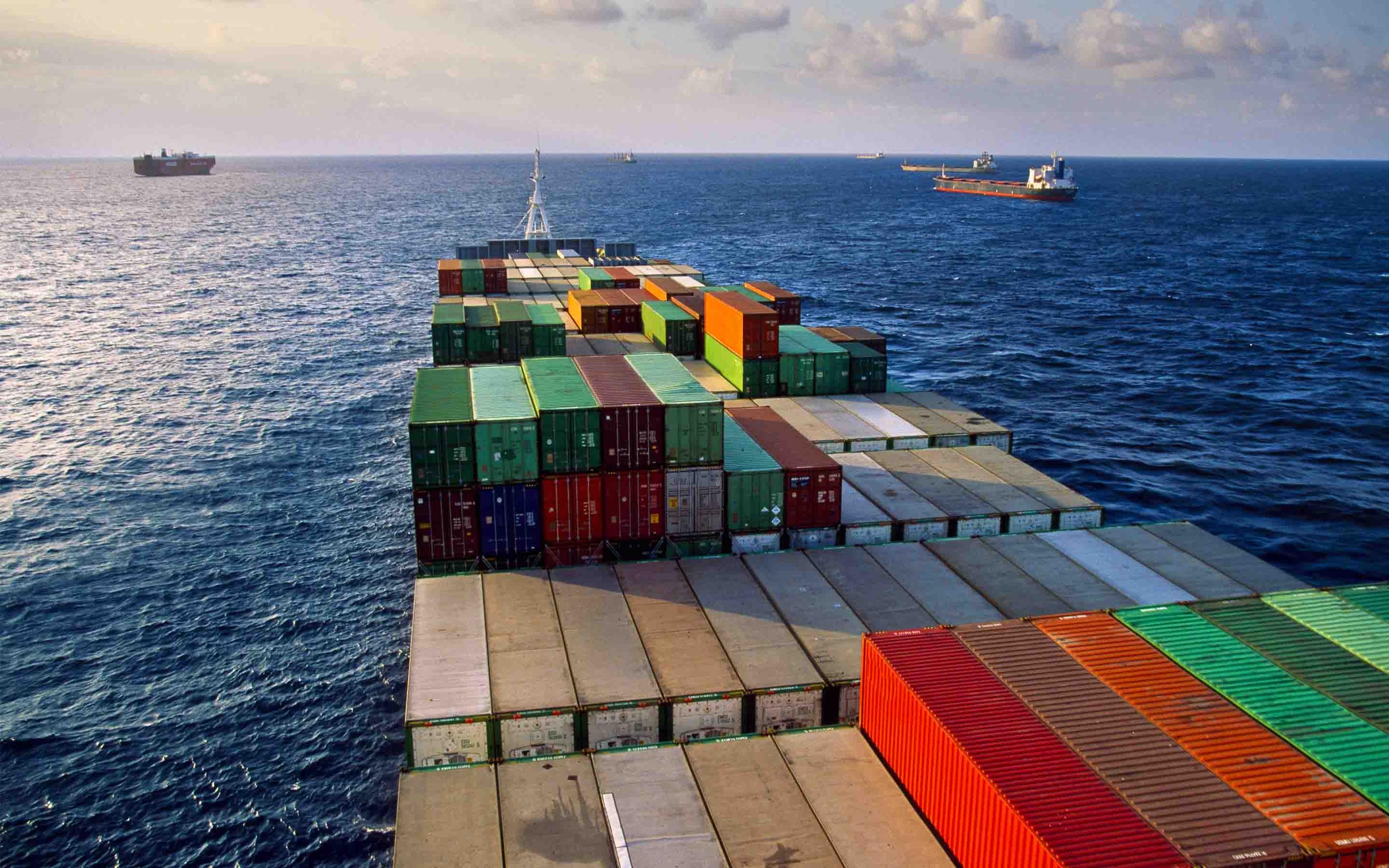
Among the most visible changes taking place is the trend among large shipping lines to pursue a model of direct investment in terminal infrastructure. While some carriers have long pursued an integrated strategy, more container and cruise lines are acting to take closer control of shoreside facilities to optimise handling of cargo and passengers.
As well as economics and the pursuit of efficiency, these changes are also driven by geopolitics; the clearest example of this being the TiL-BlackRock consortium's acquisition of a share in Hutchison Ports' international assets. Though driven more by politics than economics, it nonetheless demonstrates the appetite that private investors hold for strategic long-term opportunities.
Cyber risk
Less visible though just as impactful, cyber risk remains an agenda item for ports, not least because their position as global and regional hubs gives them a unique role in the potential for contagion in the event of cyber-attack.
Cyber risk remains an agenda item for ports, not least because their position as vital global hubs.
The emergence of specialist insurance products to address cyber risk, as well as bolstered efforts at training and awareness, appeared to have succeeded in helping companies manage the issue. However, a spate of high-profile attacks on manufacturers – with knock-on effects to their supply chains – means this subject will always remain on the table.
Supply chain disruption
For terminal operators, the risks to trade extend to the infrastructure on which they depend, with recent events highlighting the impact that interruptions can have on business continuity.
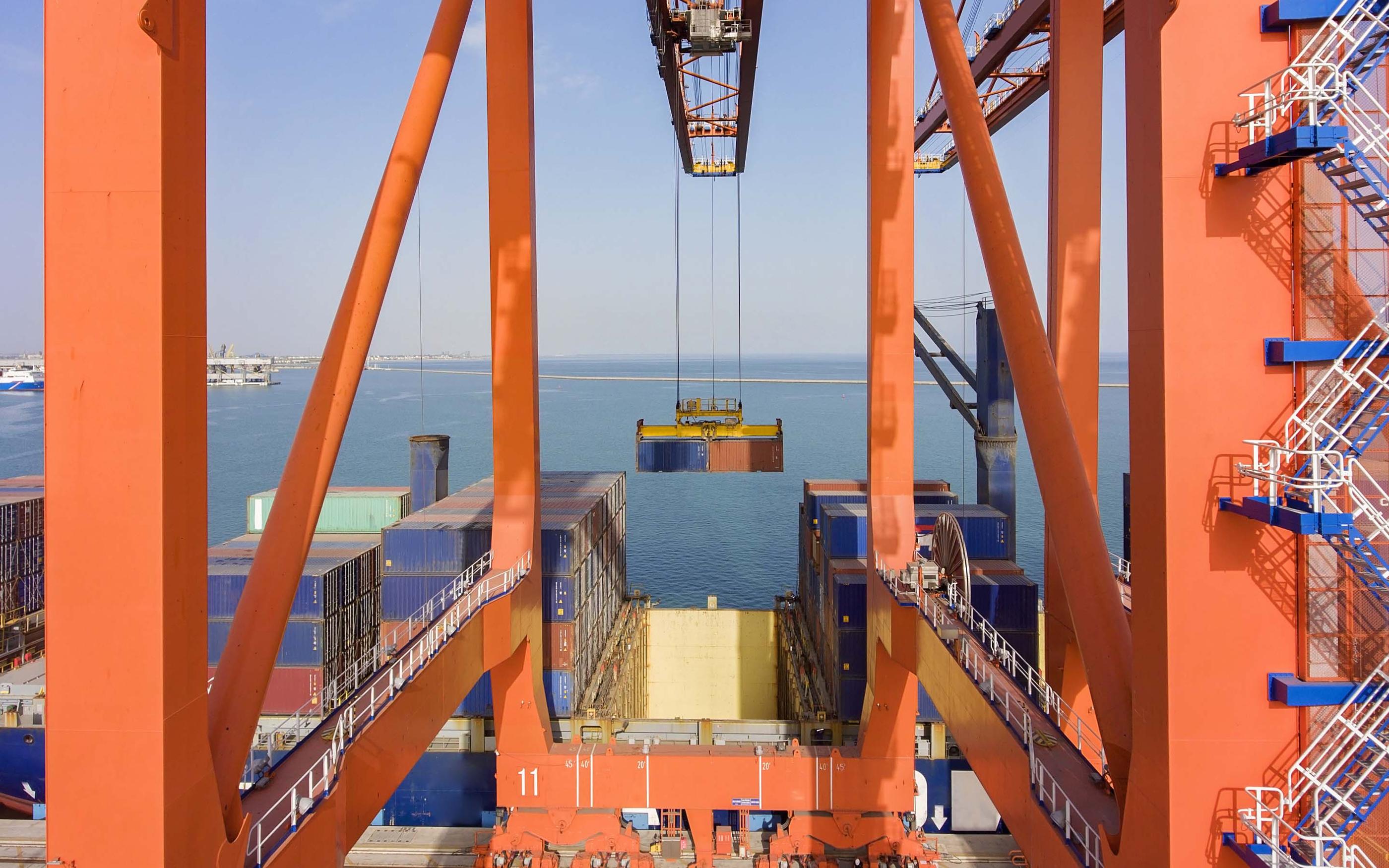
A series of accidents at major container ports has highlighted the pressure on global supply chains to respond – and the impact that weather can have on recovery.
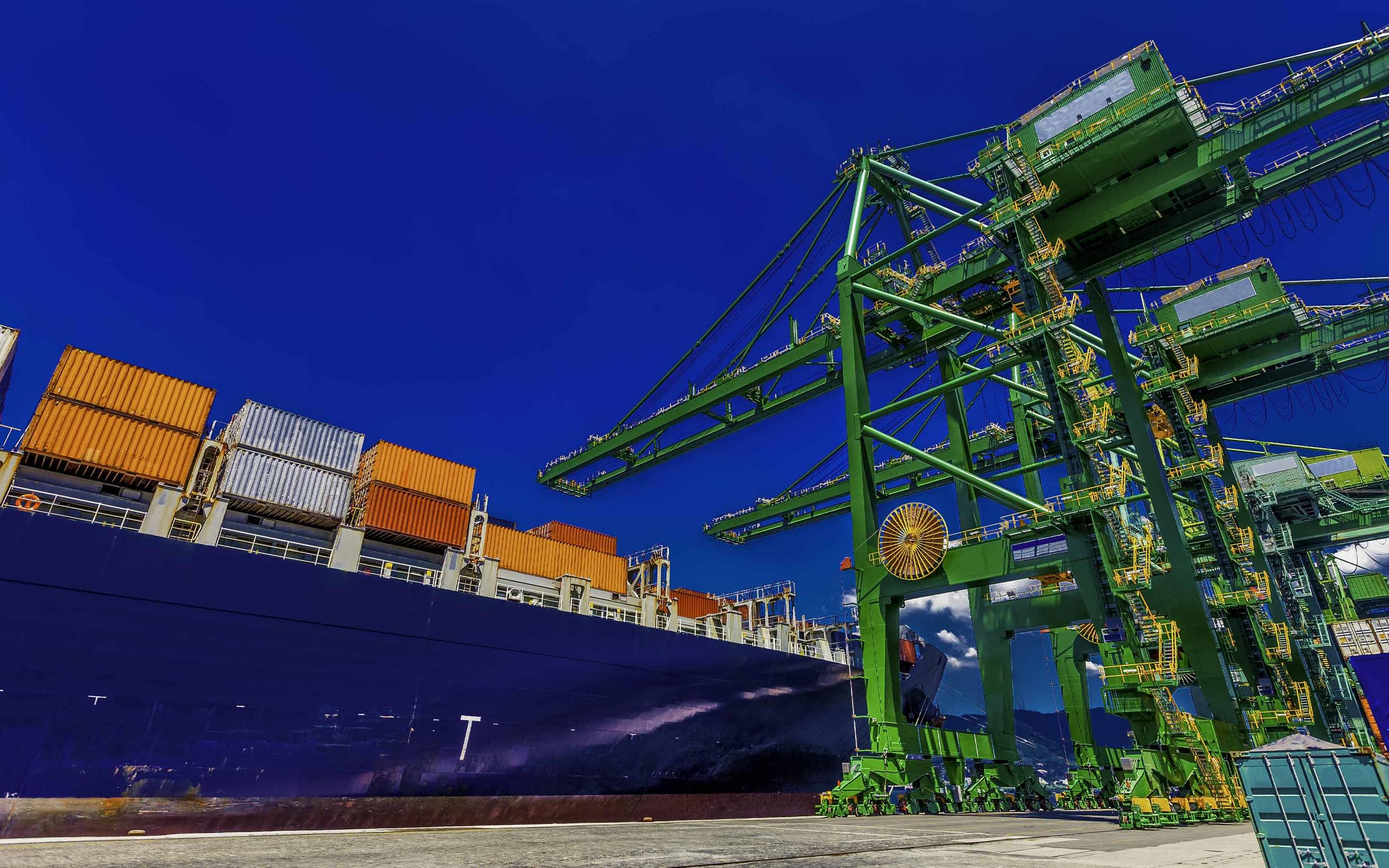
In June this year, a new quay crane tipped over at Singapore’s Tuas port while it was being delivered to a non-operational berth. Late last year, a barge knocked over an operational quay crane at Keelung Port, Taiwan while docking to unload another pair of new cranes.
The same barge subsequently lost its ability to navigate due to severe weather and heavy load and was abandoned, eventually washing up with its cargo on Taiwan’s shoreline.
The effect on the terminal can be felt for longer than the initial impact and clean-up.
A month previously a feeder boxship was involved in an accident that resulted in part of a giant ship-to-shore crane belonging to Yantian Port in southern China crashing down onto the vessel.
While the outcome of such incidents is in itself serious, the effect on the terminal can be felt for longer than the initial impact and clean-up.
The impact of business interruption
Terminals involved in accidents that result in damage to infrastructure face more than a short-term squeeze on handling capacity. They can also face far longer delays in receiving replacement equipment and face much higher costs.
Estimates vary but where once a terminal might have been expected to be back to full capacity within 12-18 months, they can wait a minimum of two years and in some cases much longer for a replacement, and face higher costs for construction and transport.
Depending on the port’s location and the origin of crane manufacture, it is also possible that additional costs and delays from tariffs will further disrupt the process.
The delays can also have an impact on provision of insurance, since a longer replacement cycle can mean an extension is needed to business interruption cover to reflect the longer time a terminal may have to operate at reduced capacity.
Willis Marine continues to work closely with the IAPH and its member companies to help understand and manage emerging risks that impact the ports and terminals sector.
Author