Companies often underestimate the scale of a product recall risk, or believe they’re already covered by their general liability policy or product recall extension.
However, these policies often don’t cover the full costs of a product recall which can go much further than just the physical costs of recalling the product.
In this blog, we look at the reasons why product recall claims are rising, potential gaps in insurance cover and what you can do to manage and mitigate your risks.
Why could food and beverage companies potentially be at risk?
Rising costs: High inflation and the knock-on effects of the conflict in Ukraine have increased the cost of commodities such as grain and oil, putting manufacturers under pressure to find more competitive suppliers. Some suppliers may cut corners to satisfy demand and maintain their profitability.
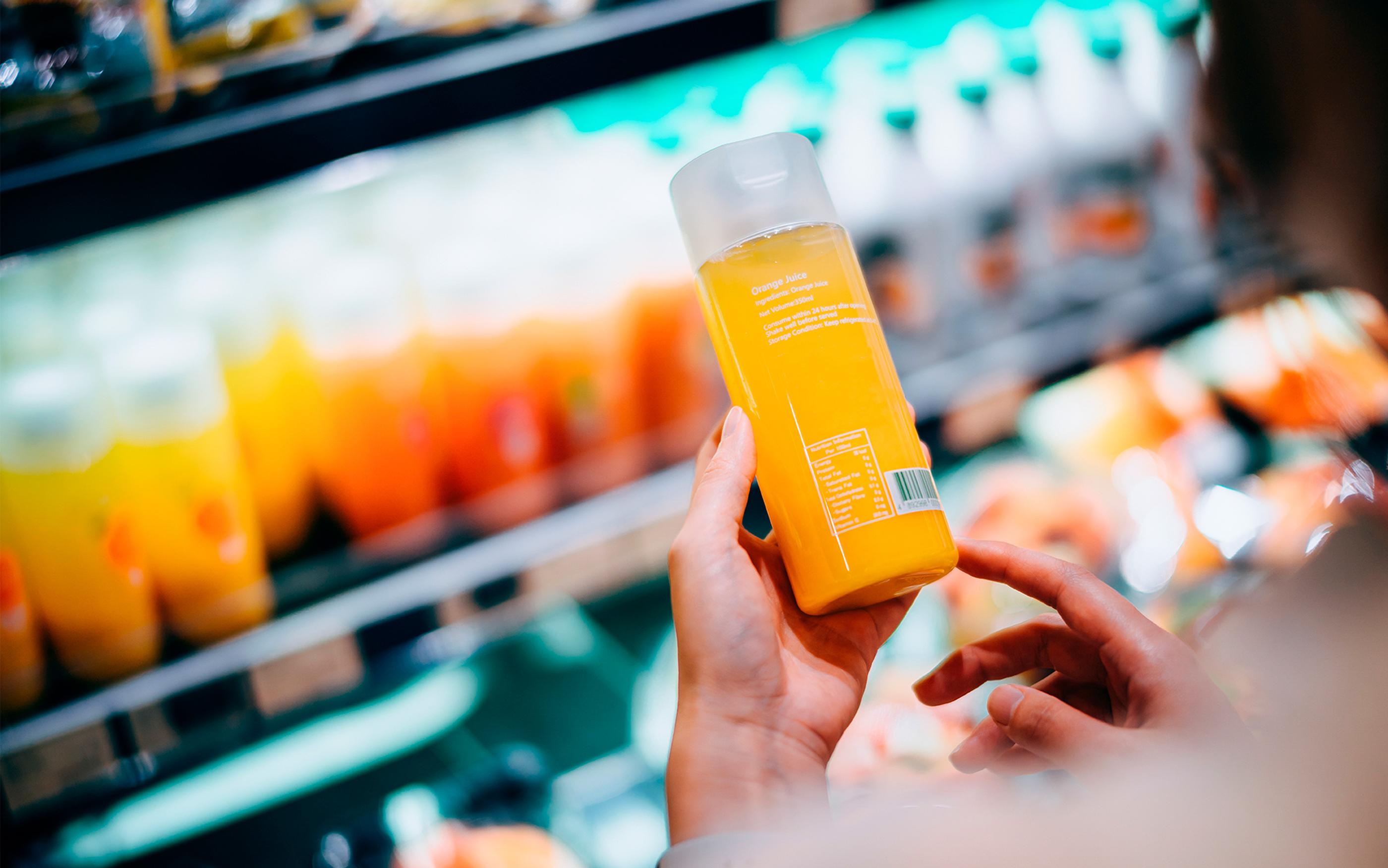
Mislabelling of products: Mislabelling is one of the main causes of product recall. In WTW’s Food and Beverage Survey 2024, 39% of respondents identified product labelling as a leading internal risk. In many countries, the law requires that people with allergies and food sensitivities are able to tell if products contain ingredients that may be harmful to them. This is hard for many businesses to manage as the list of allergens keeps growing.
Untrained staff: Many experienced staff have left the industry, leaving a gap which has been filled by contract workers and inexperienced staff. Some workers haven’t had the same level of training as their predecessors which increases the risk of production line errors, product failure leading to contamination, and the need for product recall.
Malicious damage: The risk of malicious product tampering, product extortion and intentionally impaired ingredients is increasing.
- Intentionally impaired ingredients: As costs rise, cases of food fraud where suppliers substitute or adulterate products to cut costs are rising. If the adulteration introduces a risk factor, such as an allergen, it could lead to bodily injury, potential product recalls and expensive claims.
- Malicious product tampering: Disgruntled employees are the primary cause of malicious product tampering. Increasing job losses mean companies need to stay vigilant of this risk. Tampering can be hard to detect as employees may have insider knowledge to override normal quality control systems.
- Product extortion: Economic hardship can lead perpetrators to see extortion as a victimless crime. However, the impact of an extortion demand on a business can be catastrophic
What can you do to get ahead of emerging challenges?
Put strong quality control systems in place
High standard quality controls are key in mitigating the risk of product recall. These include food safety testing following Hazard Analysis Critical Control Point (HACCP) food safety principles, supplier approval processes, auditing of suppliers and co-manufacturers, and root causes analysis of any losses to establish what happened, any remedial action taken and prevention measures.
Don’t assume it won’t happen to you
Even with the best control systems, recall events can still happen. Claims are rising, including for ‘never events’ that could cause serious bodily harm and are easily recognised and preventable. You still need to be prepared for scenarios where your systems fail to prevent an event that leads to catastrophic losses to your business.
56% said they had no specific insurance for product recall, suggesting that they’re relying on general liability policies to cover this risk.
Check the fine print
In WTW’s Food and Beverage Survey 2024, more than half of the respondents (56%) said they had no specific insurance for product recall, suggesting that they’re relying on general liability policies to cover this risk. However, in many cases this is limited to first or third party costs directly related to the recall. It may limit cover to products that were in your care, custody and control, or provide an exhaustive list of the risks covered. Extensions don’t usually provide broad enough cover to protect against the full cost of a recall which can include:
- Business interruption
- Deep clean of contaminated facilities
- Testing and laboratory costs
- Legal defence costs
- The cost of producing replacement products
- Crisis management and brand rehabilitation costs
- Customer loss and gross profit
- Consultant costs.
If you’re relying on cover provided by your suppliers, check the fine print to make sure you know what’s covered and what’s not.”Victor de JagerHead of Property for Europe Direct & Facultative, WTW
If you’re relying on cover provided by your suppliers, check the fine print to make sure you know what’s covered and what’s not.
Consider a standalone product recall policy
Where recall extensions exist in general liability policies, they are limited and don’t reflect the potential scale of losses and liabilities.
A single, large loss could exhaust your entire insurance limit for the year, leaving you exposed.
If you’re contractually obliged to have product recall cover, you could be in breach of the contract for the remainder of the policy period.
A standalone product recall policy with an aggregate limit instead of a single occurrence limit can be beneficial for large companies with multiple production facilities and extensive product ranges as it provides cover to draw on throughout the year.
A standalone product recall policy will also cover product rehabilitation, such as marketing and shelf-slotting fees.
How WTW can help
Our product recall team can provide expert advice to help you navigate a fast-changing landscape, and find product recall solutions that fit your needs.
We can:
- Work with you to make sure your product recall protection is embedded in your wider risk management strategy.
- Review your existing insurance to make sure it includes the crisis support you need to respond to crises, protect and rehabilitate your brand.
- Tailor insurance solutions to fill the gaps in existing policies.
- Make sure your cover has the capacity to cover the full scale of potential losses.
- Adapt product recall solutions so that they deliver for your needs.
Conclusion
Increasing pressure to cut costs coupled with an exodus of experienced staff and an increase in malicious product tampering means product recalls in the food and beverage sector are rising.
General liability policies and product recall extensions don’t always cover the full cost of a product recall.
WTW can help you to review your insurance and make sure you have all the cover and support you need.
For smarter way to managing your product recall risk, please reach out to our specialists today.
Author

For more information, please contact