




What is employee wellbeing?
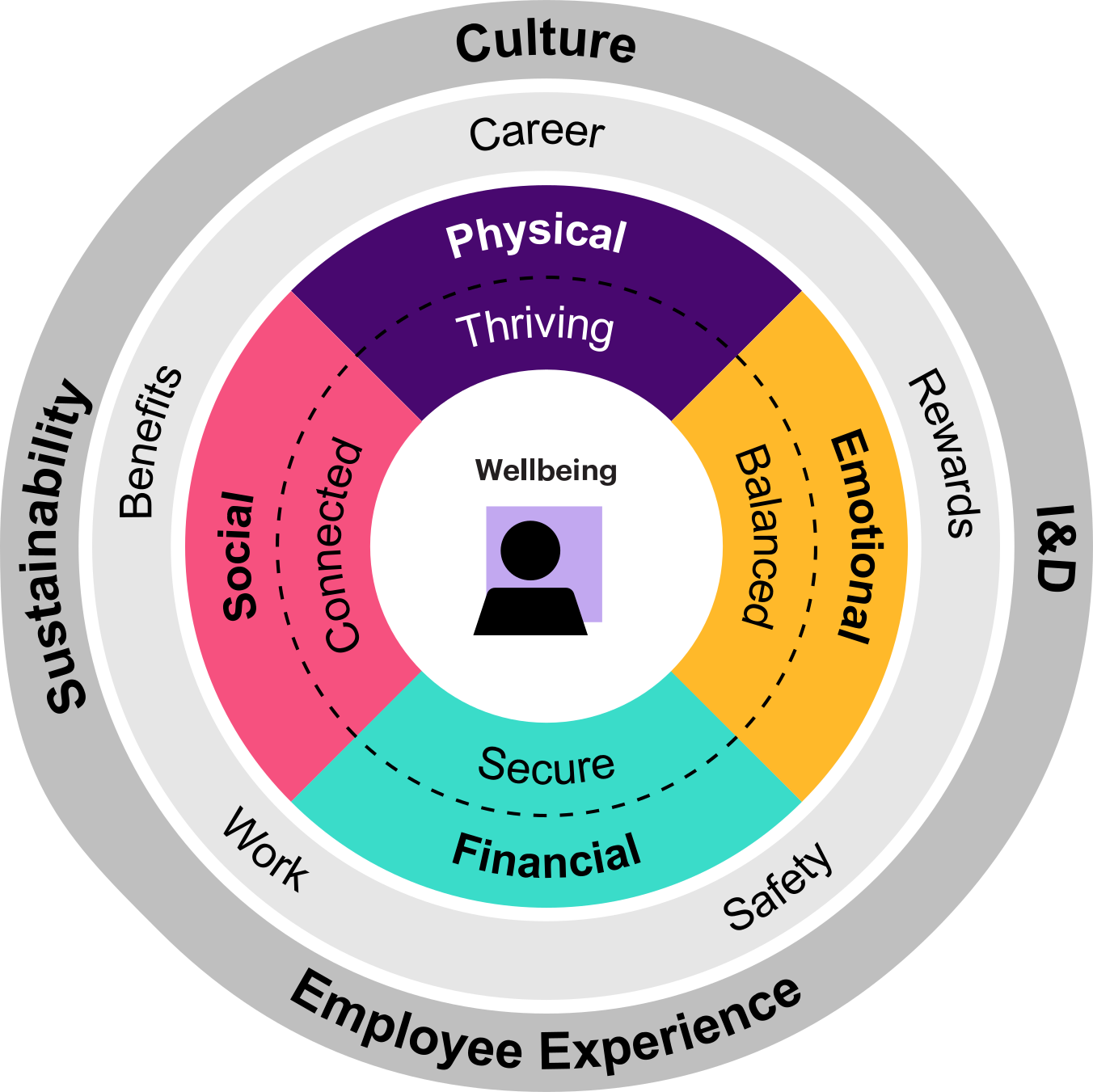
Employee wellbeing is more than programs or one-time initiatives. In the workplace, wellbeing is a shared mindset with aligned behaviors, enabled through leaders and managers. Employee wellbeing becomes part of the culture when it is:
- Embedded in the employee experience
- Reflects organizational values
A successful approach to employee wellbeing makes connections to your:
- Total rewards
- Careers
- Employee benefits
- Work and safety practices
A comprehensive and connected approach is critical for employee wellbeing and work-life balance to be effective in practice
What are the 4 key dimensions of wellbeing?
A holistic approach to wellbeing incorporates four dimensions.
Each dimension, although unique, is inextricably linked with the others. A holistic approach to fostering employee wellbeing extends beyond employees to include families, organizations and communities. As a result, the ideal approach to wellbeing keeps the employee at the center and is truly integrated with all aspects of organizational culture.
What is the business value of employee wellbeing?
The pandemic, along with other disruptors – geopolitical tension, social unrest, climate change and economic uncertainty – have accelerated the need for employers to actively support employee wellbeing.
Our research reveals that organizations with higher levels of wellbeing achieve:
- Better business outcomes
- Higher levels of employee engagement
- Improved revenue
- Greater customer satisfaction
- Fewer safety incidents
Employees who are physically thriving, financially secure, emotionally balanced and socially connected are more engaged and productive.
Employers remain committed to employee wellbeing programs and are evolving their approach to embed wellbeing in the culture of their organizations, connecting it to organizational purpose and sustainability efforts.
How do you unlock the business value of employee wellbeing?
Addressing wellbeing requires a comprehensive strategy and a robust governance process, enabling execution through the right tools and programs for leaders, managers and employees.
We start by understanding your current approach and future vision for wellbeing, setting clear objectives and developing a strategy to achieve your vision and the right roadmap to get you there.
We work with clients to:
Discover
We will help you understand your current state and set your vision of employee wellbeing by seeking insights from key stakeholders, including leaders, managers and employees.
Design
We can help you develop and design an employee wellbeing strategy that is “fit for purpose” for your organization through analysis of gaps, priorities and opportunities.
Execute
We can help you create differentiated strategies and tactics to better engage and equip employees to bring their best selves to work.
Track
We will help you measure the success of your employee wellbeing approach by developing a broad set of wellbeing metrics that are connected to your business performance and incorporated in your ESG reporting.
How we can help
Employee Wellbeing Solutions

Global Benefits Management
WTW’s Global Benefits Management solutions empower employers, employees and retirees to better navigate the changing world of benefits. Our solutions combine benefit consulting expertise with outsourcing, co-sourcing and administration experience.
Health and Benefits
We partner with you to build an effective employee benefits program that sustains a healthy, high-performing workforce.
Diversity, Equity and Inclusion
Our diversity, equity and inclusion (DEI) solutions support the people and risk strategies that enable your employees to thrive and help make your organization more resilient.
Retirement
We team with organizations worldwide to determine how to approach retirement plan design, funding, governance, administration and communication.

Total Rewards
Build a dynamic, data-driven total rewards strategy that aligns pay, benefits, wellbeing and careers to manage disruption, strengthen workforce resilience and deliver measurable business and employee outcomes.