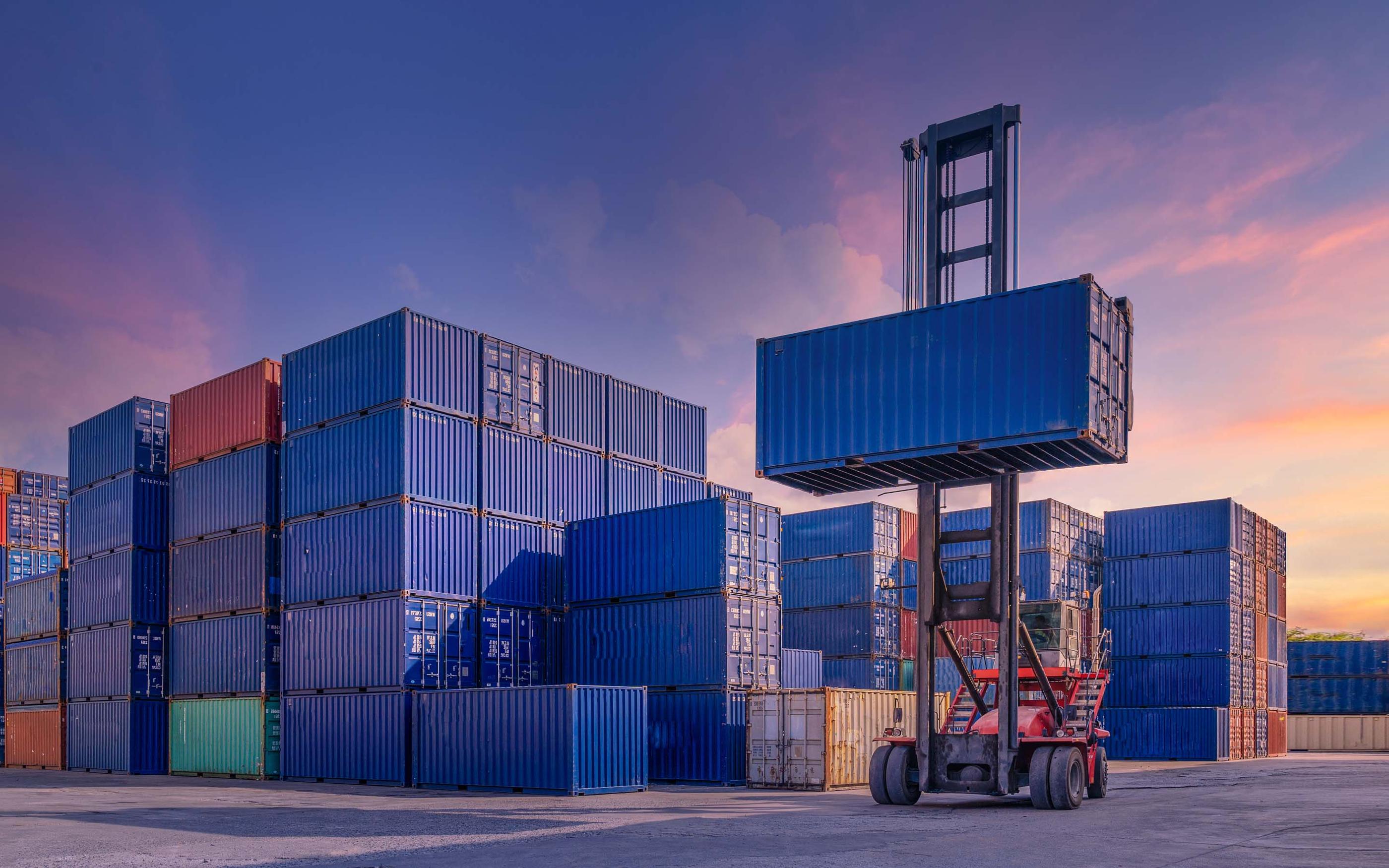
Procurement times for major power equipment have nearly doubled since 2021, with some components taking two to five years or more to procure. Longer lead times can extend recovery periods, increase estimated maximum loss values and make business continuity planning more volatile.
Key takeaways
- Equipment lead times are now a strategic business risk. Procurement times for critical equipment are exposing power companies to longer outages, higher business interruption losses and greater uncertainty in recovery planning
- Visibility and preparation are the best defense. Supply chain disruption is being driven by electrification, geopolitical tensions, manufacturing bottlenecks and competition from other industries. Understanding dependencies, mapping critical spares, stress-testing recovery plans and engaging with suppliers early will make all the difference
- Risk engineering is a gamechanger and the soft market is creating opportunities. Risk engineering helps quantify exposures, identify hidden vulnerabilities, test recovery scenarios and make more informed capital and insurance decisions
Why lead times are increasing: Global forces, local impacts
Across the global power and utilities sector, equipment lead times are challenging operating models, constraining capital strategies and compounding exposure to financial loss. Four connected pressures are impacting the movement of critical equipment.
Electrification and AI-driven load growth: Industrial electrification and a boom in data center construction are competing for limited manufacturing capacity, adding delays to equipment lead times Regional conflict zones: Conflict in Ukraine and the Middle East have disrupted critical transport corridors. Equipment is being rerouted, which is adding new costs, exposures and uncertainties to delivery schedules Manufacturing bottlenecks: Chinese OEMs have become the epicenter of manufacturing capacity globally for electrical equipment and critical components for the power sector. Reliance on China introduces a new dimension of concentration risk where the true recovery timeline may be driven by factors outside the operator’s direct control with limited alternatives Cross-sector competition: In Europe, for example, the forging capacity required for large-frame gas turbines is dominated by aviation: a higher-volume, lower-risk commercial proposition, pushing power and utilities equipment further down the production queue
The game changer: Risk engineering
A strong risk strategy needs more than insurance and scenario planning — it requires a technical discipline that connects real-world insights with organizational decision making. That discipline is risk engineering.
- Quantify risk: Translate equipment failure modes, lead times, OEM dependencies and business interruption (BI) exposures into usable risk metrics. Risk engineering ensures loss scenarios and BI estimates reflect actual supply-chain constraints, not theoretical ones.
- Identify hidden vulnerabilities: Answering key questions across the project lifecycle can reduce the likelihood of catastrophic failure and shorten downtime if a failure occurs. These assessments could include protection schemes, manufacturing quality, inspection and testing, maintenance regimes, spare availability and component obsolescence, among others
- Stress-test resilience: Model credible failures and extended outages, considering not just the challenges of asset replacements, such as timelines and costs, but also the availability of specialist transport, installation contractors, testing protocols and commissioning engineers to understand the true recovery timeline
- Allocate capital strategically: Modelling is the bedrock of decision-making. Backed by data, risk engineering can help to clarify the optimal contingency and recovery strategies, such as dedicated or shared spares, redundancy, condition monitoring, equipment standardization and securing manufacturing or service capacity in advance
- Enable smarter insurance negotiations: Robust engineering information enables brokers to quantify the impact of mitigation measures on potential losses and validate that risk levels are being actively managed. This helps to boost insurability, supports more favorable terms, and creates trust with insurers
Building resilience: There’s opportunity in a soft market
Where insurers are competing for market share and rates are on a downward trajectory, brokers may have greater scope to negotiate extended indemnity periods. Securing appropriate protection now may prove valuable if the market hardens while equipment recovery timelines remain elevated.
The companies best placed to protect revenue and reliability will be those that understand their exposure at asset, plant and portfolio level; build stronger visibility over spares and suppliers; and align operational recovery planning with insurance program design. In a sector where reliability, availability and grid access are central to value, critical equipment resilience is becoming a strategic differentiator.
Download the full article to find out what actionable steps power companies can take now to manage extending equipment lead times.
Download
| Title | File Type | File Size |
|---|---|---|
| Power failure - How global utilities can tackle equipment lead times PDF | 4.2MB |
Authors