Research Themes
Through our longstanding program on weather and climate-related risks, the Willis Research Network tracks many of the most important natural catastrophes that endanger life and property. We pay special attention to perils with evolving risk profiles, including tropical cyclones, extratropical windstorms, wildfire, and severe convective storms. We also leverage our global network of experts to understand the geographic nuances of major perils, climate change, and human choices that influence exposure to weather and climate risks. Finally, because these perils will not act the same in the future as they have in the past, we are also blending together long-range climate forecasts with near-term weather simulations to create more realistic predictions spanning the next 5, 10, and 20 years.
Featured Projects

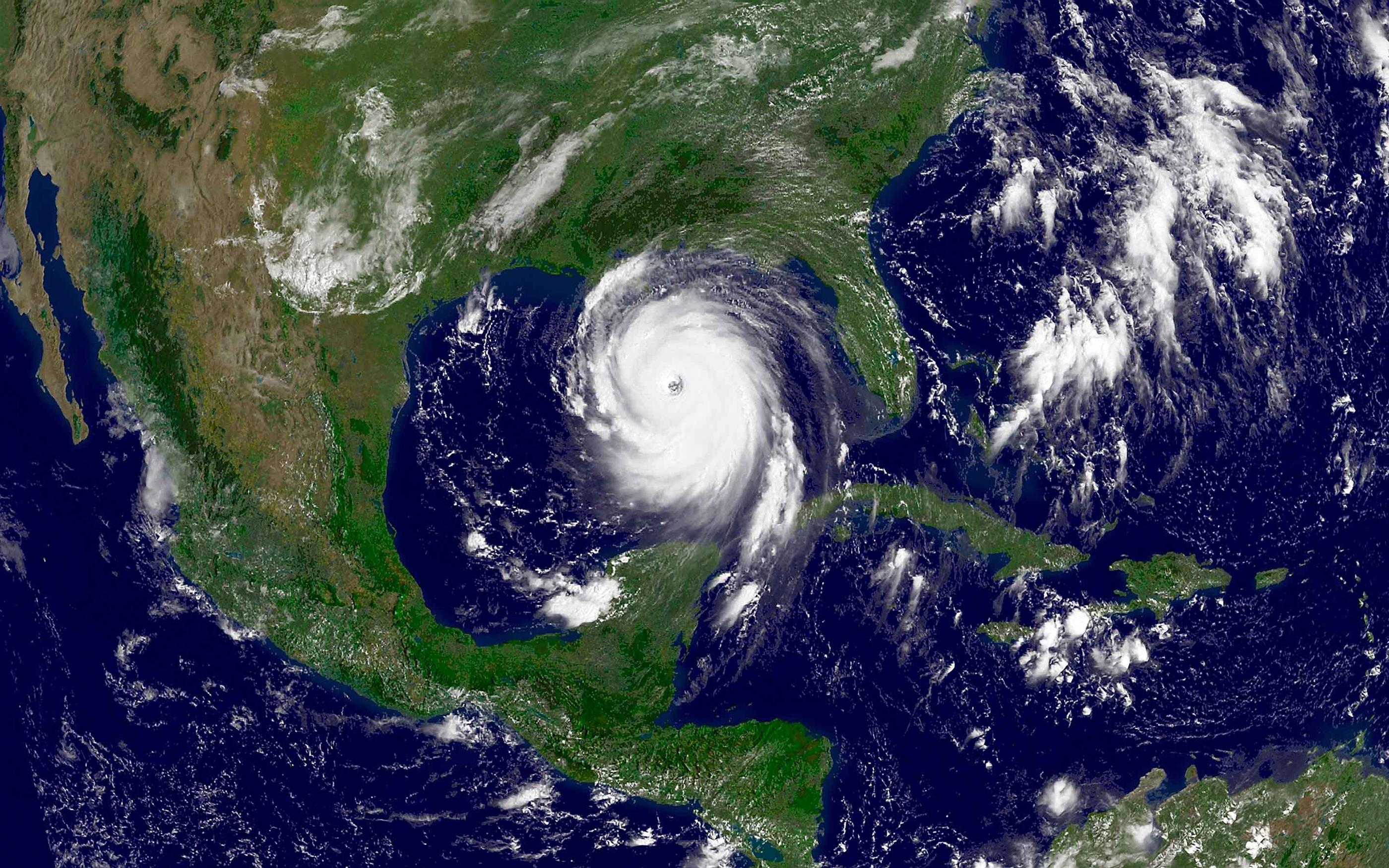
Gauging the actual risk posed by North Atlantic hurricanes over the near term demands an accurate accounting of both a changing climate and year-to-year variability

The ‘climate prediction revolution’ has enabled advance warning of severe weather events and likely climate impacts over large parts of the globe

Drought risks have increased for many regions, but even the latest models still underestimate the potential severity, duration, and correlation of future shortages.

European windstorms dominate regional catastrophe losses. Their changing patterns, shaped by jet-stream and ocean variability, remain a key uncertainty in assessing future risk.

Severe convective storms have become one of the most unpredictable loss drivers, with changing storm environments amplifying both the severity and footprint of damaging events.

Understanding wildfire as a complex interaction of climate, vegetation, and human activity is key to managing a peril once seen as an isolated hazard.
Contacts