


Events of recent years have forced employers to reassess and adjust their benefit plans to meet the changing priorities and conditions of their employees. The new normal deepened the connection people have with technology due to the need to minimise face-to-face interaction, alongside the acceleration of digitalisation and workplace transformation. These changing times call for employers to be bold and innovative when it comes to their benefit programs – to support their diverse (multigenerational and multicultural) workforces in different situations and drive a strong employee experience.
Flexible benefits enable employees to personalise their benefit package using employer-provided options that are most relevant to them. Aside from providing a core level of benefits, employers can provide varied offerings and bring more valuable benefit options to their employees. For example, a young employee caring for elderly parents may opt for a benefit package with additional medical services, while an employee with school-age children may prefer more vacation leave or childcare benefits.
Employees see greater value when offered more flexible choice for their benefits.
Employees see greater value when offered more flexible choice for their benefits (Figure 1).1 Flexible benefits give employees more control, which can help them to feel more positive about their benefits and increase their understanding and usage of the benefit plan. This can be an effective differentiator for branding, talent attraction and retention, and engagement as it assures employees that the organisation cares about their specific circumstances in life.
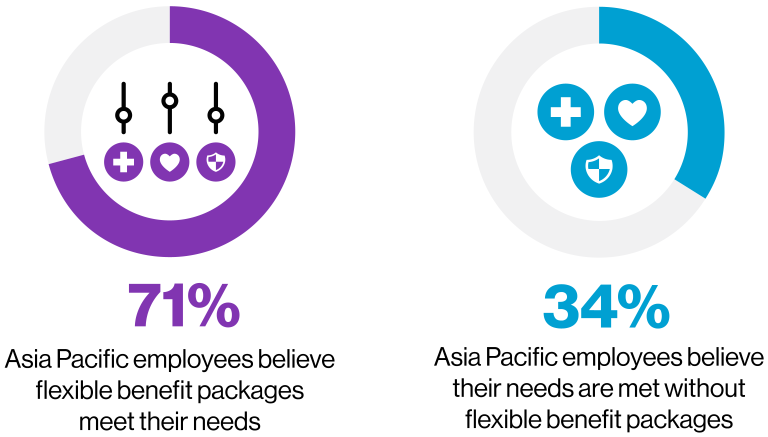
Figure 1. Flexible benefits have a higher prevalence of meeting employee needs
Employers can also optimise costs and better budget for benefit offerings by focusing more on benefits that matter to their workforce.
Focus areas for designing flexible benefits
Across Asia Pacific, nearly one-third of organisations are already offering choice and customisation in their benefit offerings. In the next two years, a further 49% plan to introduce flexibility or broaden their benefit packages (Figure 2)2.
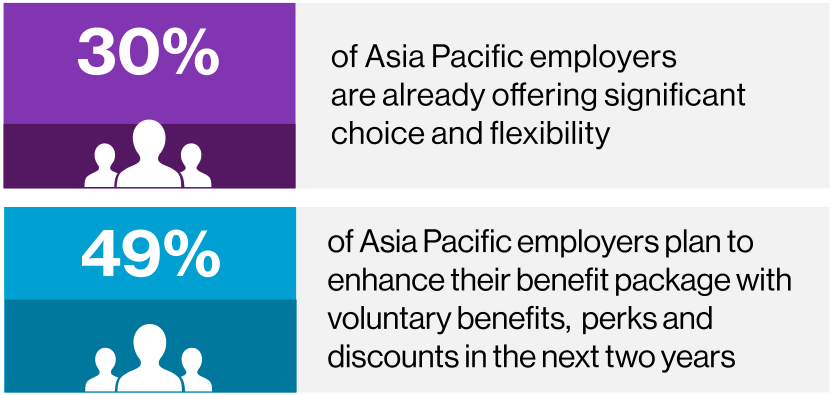
Figure 2. Asia Pacific employers will introduce more flexible benefits in the next two years
For employers planning to offer flexible benefits, there are three areas of focus:
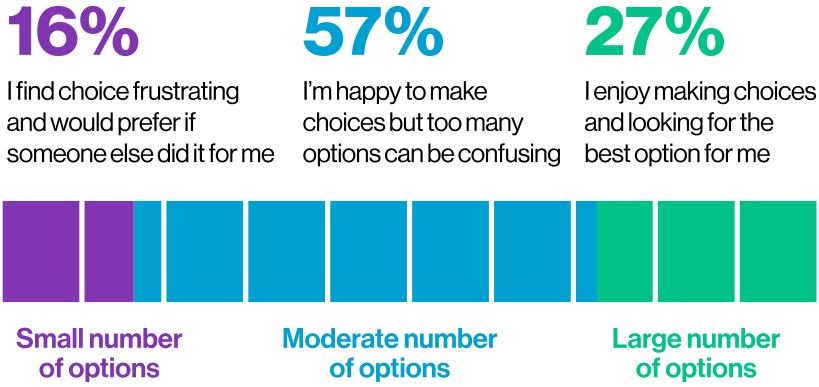
Figure 3. Employees globally prefer to have a moderate set of meaningful choices
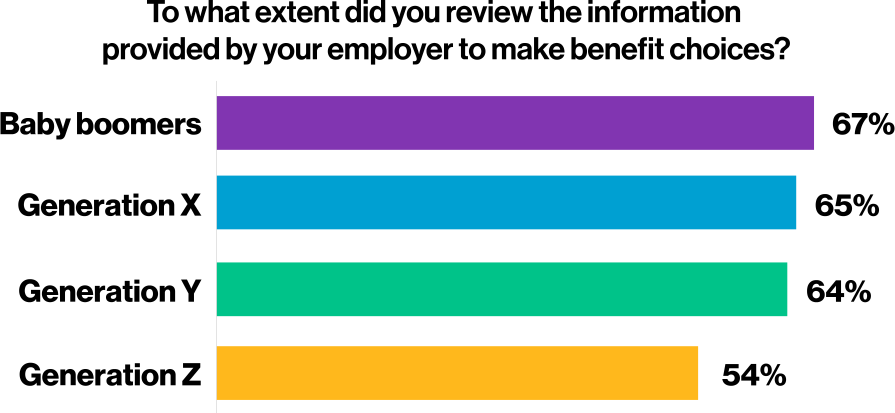
Figure 4. The majority of employees anchor their benefit choices through the information provided by their employers
To what extent employees review the information provided by employers to make benefit choices?
Over 50% of employees from various generations select their benefits after reviewing information from their employers: Baby boomers at 67%, Generation X at 65%, Generation Y at 64% and Generation Z at 54%.
Starting points for employers considering flexible benefits
Offering a flexible range of benefits does not have to be overwhelming. There are three things that organisations can consider when designing a flexible benefit plan geared to meeting employee needs and employer objectives:
- Gather insights from your workforce. Understand the current position of your organisation by running pulse surveys and Virtual Focus Groups (VFG) to identify what matters most for your employees. These may include questions on how employees perceive the quality of specific benefits and what benefits employees would like to see in the future.
- Design a benefit plan backed by data. Work with vendors and partners to help manage and benchmark your data and insights. Carry out a feasibility design and utilisation analysis to design an affordable and trackable program. It is important to note that overcomplicating employee benefits by providing too many choices can lead to ’option paralysis’.
- Invest in an automated platform for administering and managing benefits. Digitally available and user-friendly tools can offer a breakdown of benefits, ease of access and transparency. Employers can offer more visibility and versatility around employee benefits, such as dependent coverage and add-on options for wellbeing, leisure, health, travel and milestones in life.
Giving employees the ability to choose what matters to them and their loved ones, is one step towards building a better employee experience.
Transforming benefits to offer more choice and flexibility comes with many advantages for employers and employees. Today’s workforce increasingly want employers to take a more active role in protecting their health and wellbeing, and employers have shown they are willing to step up. Giving employees the ability to choose what matters to them and their loved ones, is one step towards building a better employee experience.
Stay tuned for the next article in our series on benefits and the employee experience, where we tackle the impact of burnout.
Sources
1 2019/2020 Global Benefit Attitudes Survey
2 2021 Benefit Trends Survey – Asia Pacific
Authors



Modernising Benefits
Navigate the many complex decisions around benefit design and delivery.
Where employee experience begins