

main content, press tab to continue
Report | Willis Research Network Newsletter

Willis Natural Catastrophe Review January to June 2025

July 28, 2025

The Willis Natural Catastrophe Review is a biannual publication that provides insight into recent natural catastrophes and shares expert views on the risks posed by major perils.
Climate|Environmental Risks|ESG and Sustainability|Financial, Executive and Professional Risks (FINEX)|Insurance Consulting and Technology|Property Risk and Insurance Solutions|Willis Research Network
N/A

In this edition, we consider major catastrophes that shaped our view of risk during the first half of 2025 (Figure 1). Our team of experts set out the causes and effects of those disasters but also goes beyond the headlines to identify the underlying factors that made them possible. The review also focuses on the outlook for the rest of the year and beyond, exploring potential threats from hurricanes, drought, flood and other hazards.
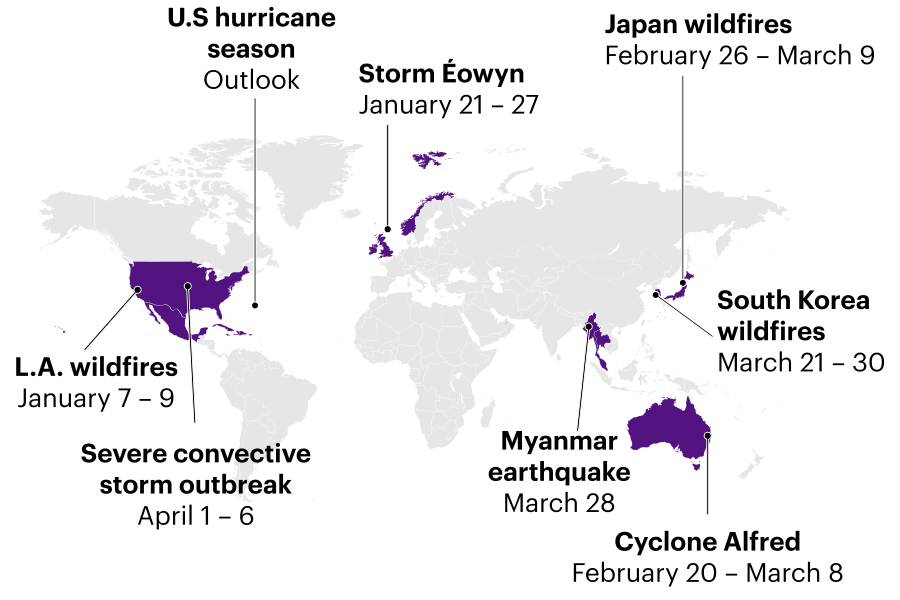
Flat global map indicating the locations of natural catastrophes in the first half of 2025.
Figure 1. Prominent natural catastrophes January – June 2025 discussed in this Natural Catastrophe Review

Worldwide, insured losses from natural catastrophes now consistently exceed USD $100 billion per year. As recently as the previous decade, high loss years (2011 and 2017, most prominently) were intermingled with ‘quiet’ years with moderate or low losses (Figure 2). It’s now been six years since the insurance industry last experienced a quiet year for natural catastrophe. Events so far in 2025 indicate that streak will continue for at least one more year.
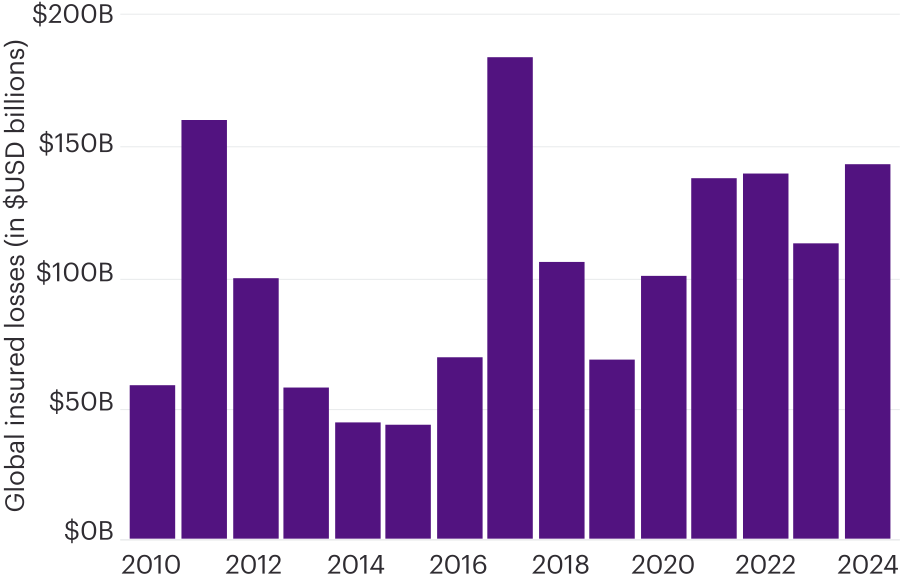
Bar chart showing global insured losses from natural catastrophes by year, 2010 to 2024 in US dollars, adjusted for inflation.
Figure 2. Global insured losses from natural catastrophes by year, 2010 to 2024. Values are expressed as US dollars and adjusted for inflation.

house-fire

Savage wildfires wreak havoc

On January 7, an ill wind began to blow down the mountain canyons north of Los Angeles. Upland forests and shrubs were already bone dry thanks to a delayed start to the winter rainy season so the arrival of hurricane-force Santa Ana winds let loose a monstrous spate of wildfires across the city. By the time the flames were finally extinguished, more than 18,000 homes and buildings were burnt or destroyed and at least 29 people were killed — by any measure, one of the worst catastrophes in California’s history.

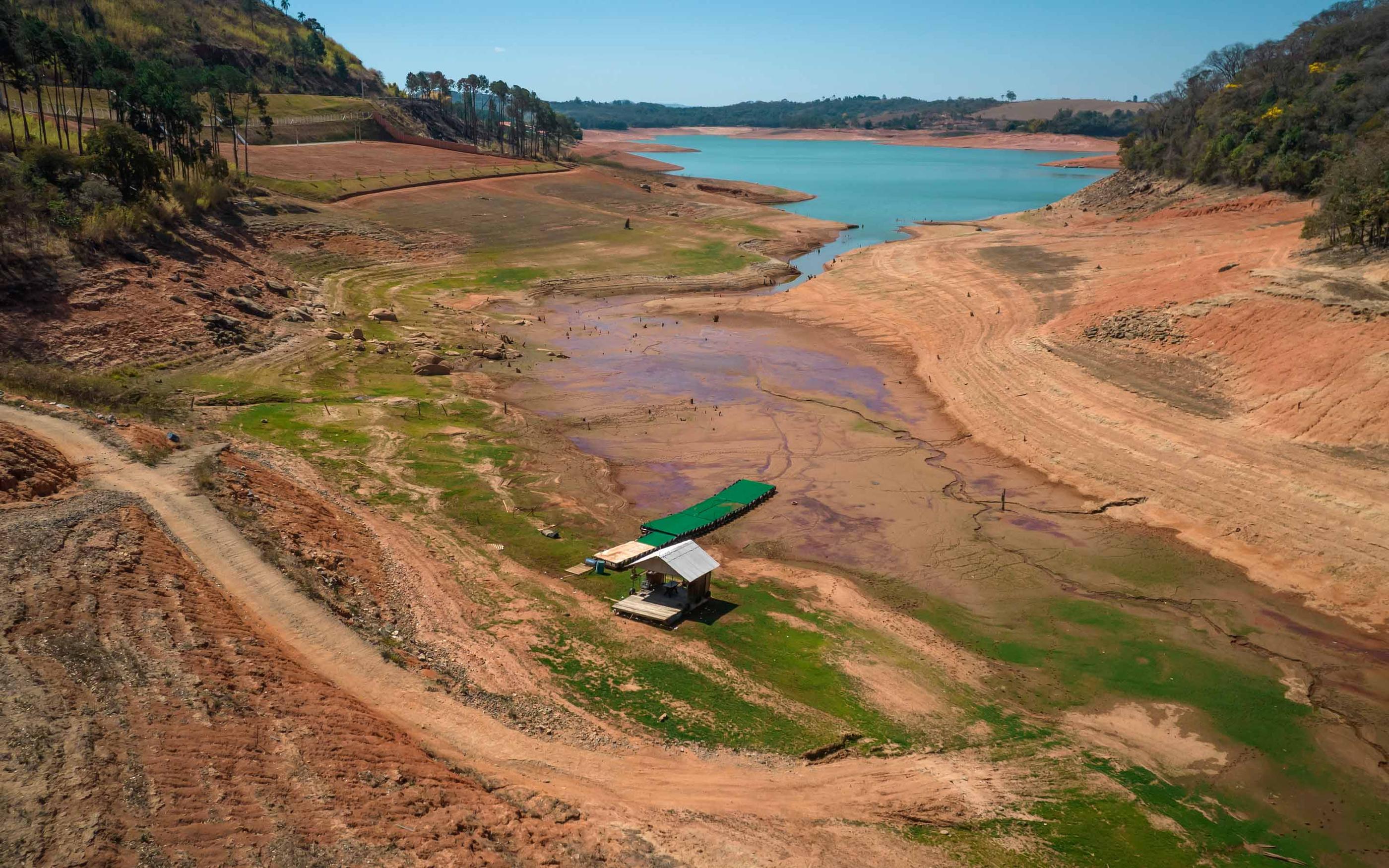
The Los Angeles wildfires were devastating but should not be regarded as a surprise. Southern California has been gripped by severe drought for most of the past two decades, which raised both the odds and impacts of uncontrolled wildfire. To adequately prepare for the next catastrophic wildfire, risk models used by insurers and reinsurers absolutely must account for elevated fire weather conditions, use up-to-the-moment fuel profiles, and be able to correctly simulate the critical transition when wildland fire turns into urban conflagration (Section 2.1).

Wildfire also continues to be an emerging concern in many other parts of the world. Already this year, Japan and South Korea have experienced the worst wildfires in at least a generation. Longer, hotter fire seasons combined with expanded urban development hint at the strong potential for larger insured losses in the future (Section 2.2). And in Canada, although well behind the record pace of 2023[1], wildfires have burned more than 4.6 million hectares, caused the evacuations of tens of thousands of people, and sent unhealthy air across the central and eastern part of the country and the United States next door.

house-flood

Water remains a major gap for insurance

After two years in a row with insured losses in excess of USD $50 billion no one can consider severe convective storms (SCS) in the United States as a “secondary” peril. The combination of explosive growth in exposure and more favorable environments for storm genesis has raised SCS losses to be roughly equal to losses from hurricane damage over the same time frame.

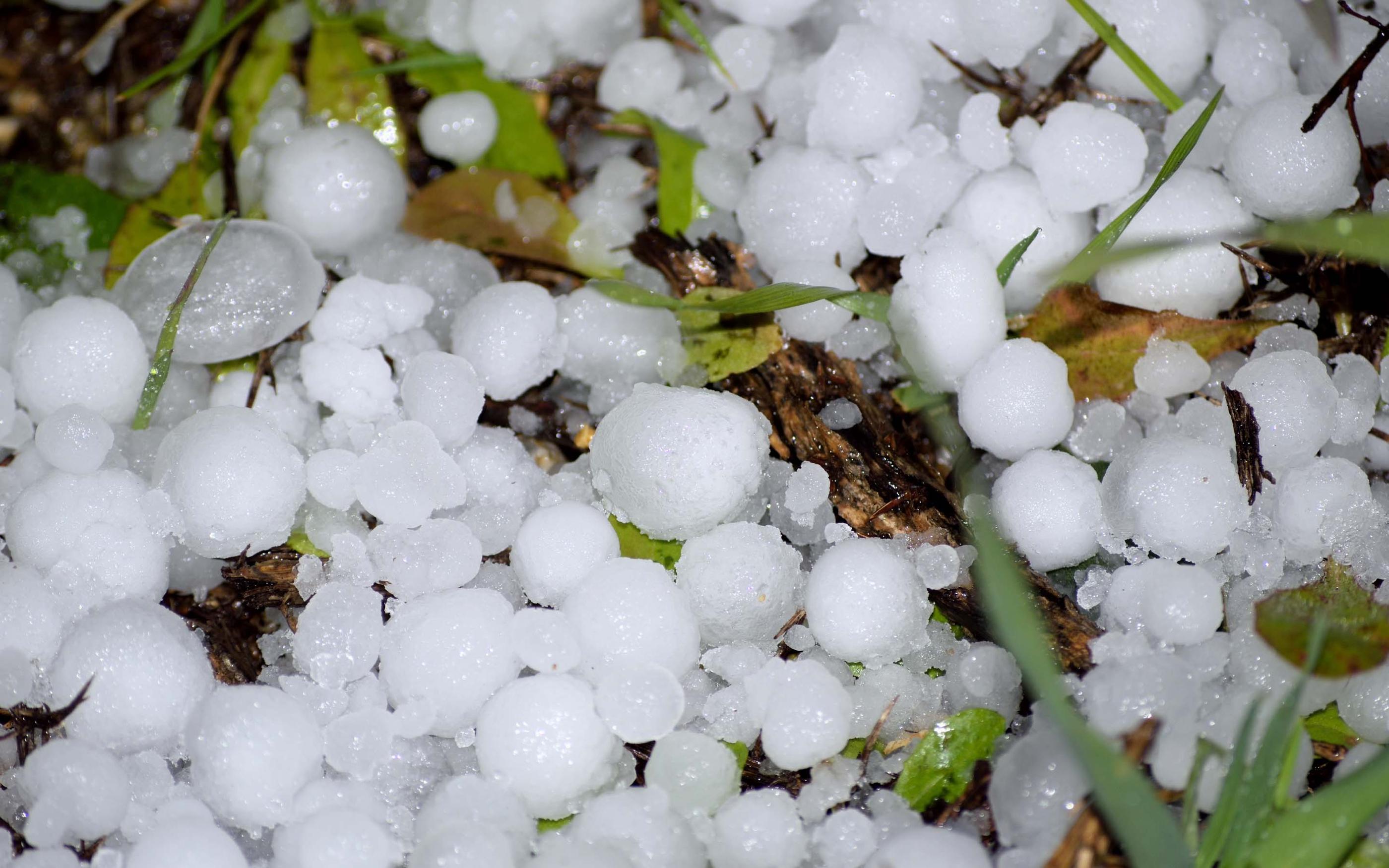
Through the first half of the year, 2025 ranks as the second- or third-most active year on record for local reports of damaging winds and tornadoes, respectively. Hail reports have hewed close to the long-term average, with large hailstones reported in Texas, Oklahoma, Minnesota and Wisconsin.

In addition to direct damage from strong winds and hail impacts, severe convective weather can also serve as the trigger for extreme or widespread flooding. A storm system that cut across the Central Great Plains in early April generated more than 150 tornadoes and caused record-setting floods across Arkansas, Tennessee, and Kentucky that closed roads and destroyed bridges across the region. The limited penetration of flood insurance in this part of the country remains a stubborn problem, and new approaches may be required to stop the insurance protection gap from widening further (Section 2.3).

Hazard

Recent cyclones not unprecedented but still out of the ordinary

Although worldwide, the Northern Hemisphere summer is the main period for tropical cyclones activity, 2025 has already proven to be a busy year. The Pacific hurricane season has gotten off to a fast start, including the earliest hurricane to ever make landfall in Mexico (Hurricane Erick on June 19). In the southwest Indian Ocean, the 2024/25 cyclone season was the third-busiest since records began in 1967 and extremely destructive, mainly due to the damaging effects of Cyclone Chido in Mozambique, Malawi and Mayotte. And the Australian region experienced its most active cyclone season since 2005/06, ending the streak of 18 consecutive years of either average or below-active cyclone activity.

Historically, cyclone landfalls in Australia are concentrated along the country’s northern coast. But for the first time in 50 years, a tropical cyclone made a southerly landfall near Brisbane and the Gold Coast (Section 2.4). Cyclone Alfred caused an estimated AUD $2.6 billion in insured losses, perhaps amplified a lack of recent experience with tropical storms and lower standards for wind resistance for new construction. Because we expect climate change will allow tropical cyclones to push farther south, the effects of Cyclone Alfred should encourage us to prepare for similar events happening more often in the future.

Higher latitudes are the domain of extratropical cyclones, very large low pressure systems that produce rapid changes in temperature and moisture. So far, the most powerful extratropical cyclone of 2025 has been Storm Éowyn, which hit Ireland, Great Britain and Norway on January 24 and 25 (Section 2.5). Éowyn set a new record for the highest wind speed ever observed in Ireland and was the most intense cyclone (as measured by minimum air pressure) to affect the British Isles since the winter of 1959/60. Wind damage cut power to more than one million people, but damage would have been undoubtedly worse had the storm coincided with high tides or followed a path closer to Belfast or Dublin.

Risk

The long reach of seismic waves

Sudden movements of the Earth’s surface do not occur as commonly as weather-related hazards. Even so, their effects cannot be overlooked, particularly because of their potential to cause significant damage at distance. The Mw 7.7 earthquake that struck Myanmar on March 28 caused the deaths of more than 5,000 people, making it the deadliest seismic event to affect the country since 1930 (Section 2.6). The earthquake also triggered strong shaking in Bangkok, Thailand, more than 1,000 kilometers from the epicenter, and led to the sudden collapse of a 30-story tower still under construction. This long-distance catastrophe provides a stark reminder of the importance of adopting a broad geographic perspective to risk assessments and understanding how local geology can amplify the effects of remote earthquakes.

Risk

On the horizon

Science-based assessments of natural catastrophes allow us to understand the causes of hurricanes, earthquakes, hailstorms, and other major perils, and anticipate correctly their likely and potential impacts. For some perils, we can also use what we know about crucial antecedent conditions to predict their behavior three to six months in advance (or longer).

The latest forecasts for hurricane activity in the North Atlantic expect 2025 to deliver another stormy season (Section 3.1). The temperature of the North Atlantic is not quite as exceptionally hot as it was last year, but most forecasting groups still expect between 7 and 9 hurricanes (and either 3 or 4 major hurricanes) to spin up before the end of November. But as Dr. James Done (National Center for Atmospheric Research) notes in his Outlook article, because our ability to predict landfall rates or location — which are ultimately more relevant to insured losses or economic damages than storm counts — is still limited, we should exercise caution when attempting to predict the overall character of the upcoming hurricane season.

Fortunately, the science community has enjoyed good success in predicting the future behavior of the Pacific Ocean several months in advance. In Section 3.2, Professor Pedro DiNezio (University of Colorado Boulder) offers their advice on how to take the greatest advantage from El Niño and La Niña forecasts. These insights are particularly relevant for risk managers focused on tropical regions in Asia and the Americas, where the connection between local weather and both El Niño and La Niña are stronger and more reliable from year to year.

Reference

  1. WTW. Out of the woods: How far will Canada’s wildfires spread? (2023). Return to article
Contact us